Blogs
Sustainable Modular Furniture: Designing for a Longer Product Lifecycle
Sustainable Modular Furniture: Designing for a Longer Product Lifecycle
How material choices, repairable systems, and responsible planning reduce waste across commercial interiors.

Sustainability Begins with Service Life
The environmental value of furniture is not determined by a single material label. It depends on how long the product remains useful, whether parts can be repaired, and how easily the system can adapt to a new layout. Sustainable modular furniture addresses these questions at the design and manufacturing stage.
In offices, hotels, hospitals, and institutions, furniture is often replaced because a space changes rather than because every component has failed. Modular systems can reduce this waste by allowing worktops, screens, storage units, legs, and connectors to be reused in a different configuration.
Select durable, traceable materials
Responsible furniture procurement should consider certified wood sources, low emission boards, recyclable metals, efficient cutting plans, and finishes suitable for the intended cleaning routine. Material documentation helps project teams understand what is inside the product and supports green building goals where applicable.
Design components for replacement
A damaged drawer channel or worktop should not require disposal of an entire workstation. Replaceable hardware, standardised panels, accessible fixings, and consistent module sizes make maintenance more practical. This approach can extend product life and lower the total cost of ownership.
Reduce waste through factory planning
Factory manufactured modular furniture allows production teams to optimise sheet cutting, control finishing, segregate waste, and repeat approved details. Accurate digital drawings and nesting plans can reduce offcuts, while controlled assembly improves consistency and limits site rework.
Plan for relocation and reconfiguration
A modular furniture system should be documented so facility teams know how units connect and which parts can be reused. When an office expands or a department moves, compatible components can be rearranged instead of discarded. This is especially valuable for multi floor and multi location organisations.
Evaluate lifecycle cost, not only purchase price
A lower initial quote may become expensive if finishes wear quickly, hardware cannot be replaced, or a future layout change requires a complete new purchase. Lifecycle costing considers maintenance, replacement parts, reconfiguration, downtime, and disposal alongside the initial investment.
Ask practical sustainability questions
Buyers should ask where materials come from, how products are tested, whether spare parts will remain available, how packaging is managed, and which components can be recycled. Specific answers are more useful than broad environmental language.
Sustainable commercial furniture is ultimately about keeping well made products in use for longer. Modular design supports that goal by combining durability, adaptability, repairability, and responsible manufacturing.
Sustainability Begins with Service Life
The environmental value of furniture is not determined by a single material label. It depends on how long the product remains useful, whether parts can be repaired, and how easily the system can adapt to a new layout. Sustainable modular furniture addresses these questions at the design and manufacturing stage.
In offices, hotels, hospitals, and institutions, furniture is often replaced because a space changes rather than because every component has failed. Modular systems can reduce this waste by allowing worktops, screens, storage units, legs, and connectors to be reused in a different configuration.
Select durable, traceable materials
Responsible furniture procurement should consider certified wood sources, low emission boards, recyclable metals, efficient cutting plans, and finishes suitable for the intended cleaning routine. Material documentation helps project teams understand what is inside the product and supports green building goals where applicable.
Design components for replacement
A damaged drawer channel or worktop should not require disposal of an entire workstation. Replaceable hardware, standardised panels, accessible fixings, and consistent module sizes make maintenance more practical. This approach can extend product life and lower the total cost of ownership.
Reduce waste through factory planning
Factory manufactured modular furniture allows production teams to optimise sheet cutting, control finishing, segregate waste, and repeat approved details. Accurate digital drawings and nesting plans can reduce offcuts, while controlled assembly improves consistency and limits site rework.
Plan for relocation and reconfiguration
A modular furniture system should be documented so facility teams know how units connect and which parts can be reused. When an office expands or a department moves, compatible components can be rearranged instead of discarded. This is especially valuable for multi floor and multi location organisations.
Evaluate lifecycle cost, not only purchase price
A lower initial quote may become expensive if finishes wear quickly, hardware cannot be replaced, or a future layout change requires a complete new purchase. Lifecycle costing considers maintenance, replacement parts, reconfiguration, downtime, and disposal alongside the initial investment.
Ask practical sustainability questions
Buyers should ask where materials come from, how products are tested, whether spare parts will remain available, how packaging is managed, and which components can be recycled. Specific answers are more useful than broad environmental language.
Sustainable commercial furniture is ultimately about keeping well made products in use for longer. Modular design supports that goal by combining durability, adaptability, repairability, and responsible manufacturing.
Sustainability Begins with Service Life
The environmental value of furniture is not determined by a single material label. It depends on how long the product remains useful, whether parts can be repaired, and how easily the system can adapt to a new layout. Sustainable modular furniture addresses these questions at the design and manufacturing stage.
In offices, hotels, hospitals, and institutions, furniture is often replaced because a space changes rather than because every component has failed. Modular systems can reduce this waste by allowing worktops, screens, storage units, legs, and connectors to be reused in a different configuration.
Select durable, traceable materials
Responsible furniture procurement should consider certified wood sources, low emission boards, recyclable metals, efficient cutting plans, and finishes suitable for the intended cleaning routine. Material documentation helps project teams understand what is inside the product and supports green building goals where applicable.
Design components for replacement
A damaged drawer channel or worktop should not require disposal of an entire workstation. Replaceable hardware, standardised panels, accessible fixings, and consistent module sizes make maintenance more practical. This approach can extend product life and lower the total cost of ownership.
Reduce waste through factory planning
Factory manufactured modular furniture allows production teams to optimise sheet cutting, control finishing, segregate waste, and repeat approved details. Accurate digital drawings and nesting plans can reduce offcuts, while controlled assembly improves consistency and limits site rework.
Plan for relocation and reconfiguration
A modular furniture system should be documented so facility teams know how units connect and which parts can be reused. When an office expands or a department moves, compatible components can be rearranged instead of discarded. This is especially valuable for multi floor and multi location organisations.
Evaluate lifecycle cost, not only purchase price
A lower initial quote may become expensive if finishes wear quickly, hardware cannot be replaced, or a future layout change requires a complete new purchase. Lifecycle costing considers maintenance, replacement parts, reconfiguration, downtime, and disposal alongside the initial investment.
Ask practical sustainability questions
Buyers should ask where materials come from, how products are tested, whether spare parts will remain available, how packaging is managed, and which components can be recycled. Specific answers are more useful than broad environmental language.
Sustainable commercial furniture is ultimately about keeping well made products in use for longer. Modular design supports that goal by combining durability, adaptability, repairability, and responsible manufacturing.
Read More
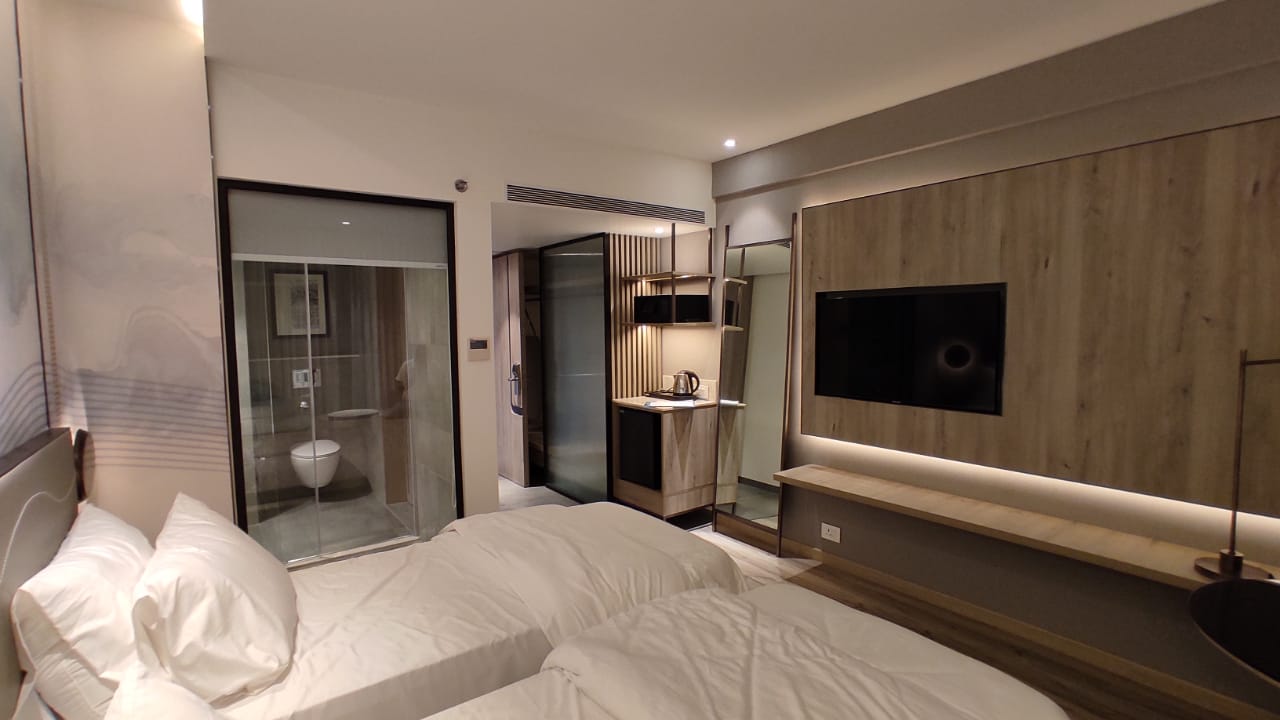
Modular Furniture vs Traditional Furniture: Cost Comparison for Commercial Projects
Jun 11, 2026
Modular Furniture vs Traditional Furniture: Cost Comparison for Commercial Projects
Jun 11, 2026
Lower Delays. Better Quality. Greater Long-Term Value.
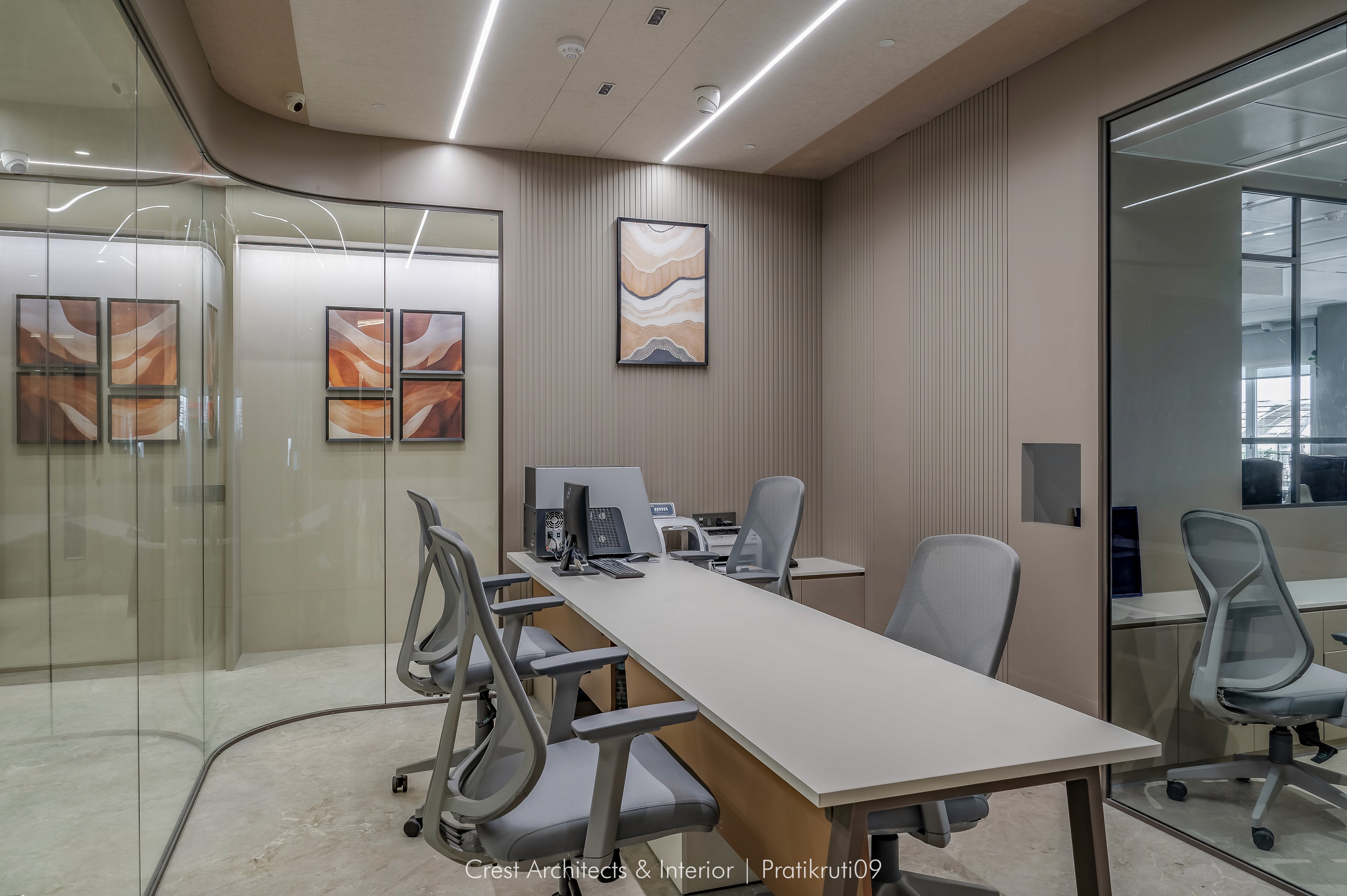
Top Benefits of Modular Furniture in Modern Offices
Jun 11, 2026
Top Benefits of Modular Furniture in Modern Offices
Jun 11, 2026
Flexible Workspaces. Better Productivity. Smarter Investment.
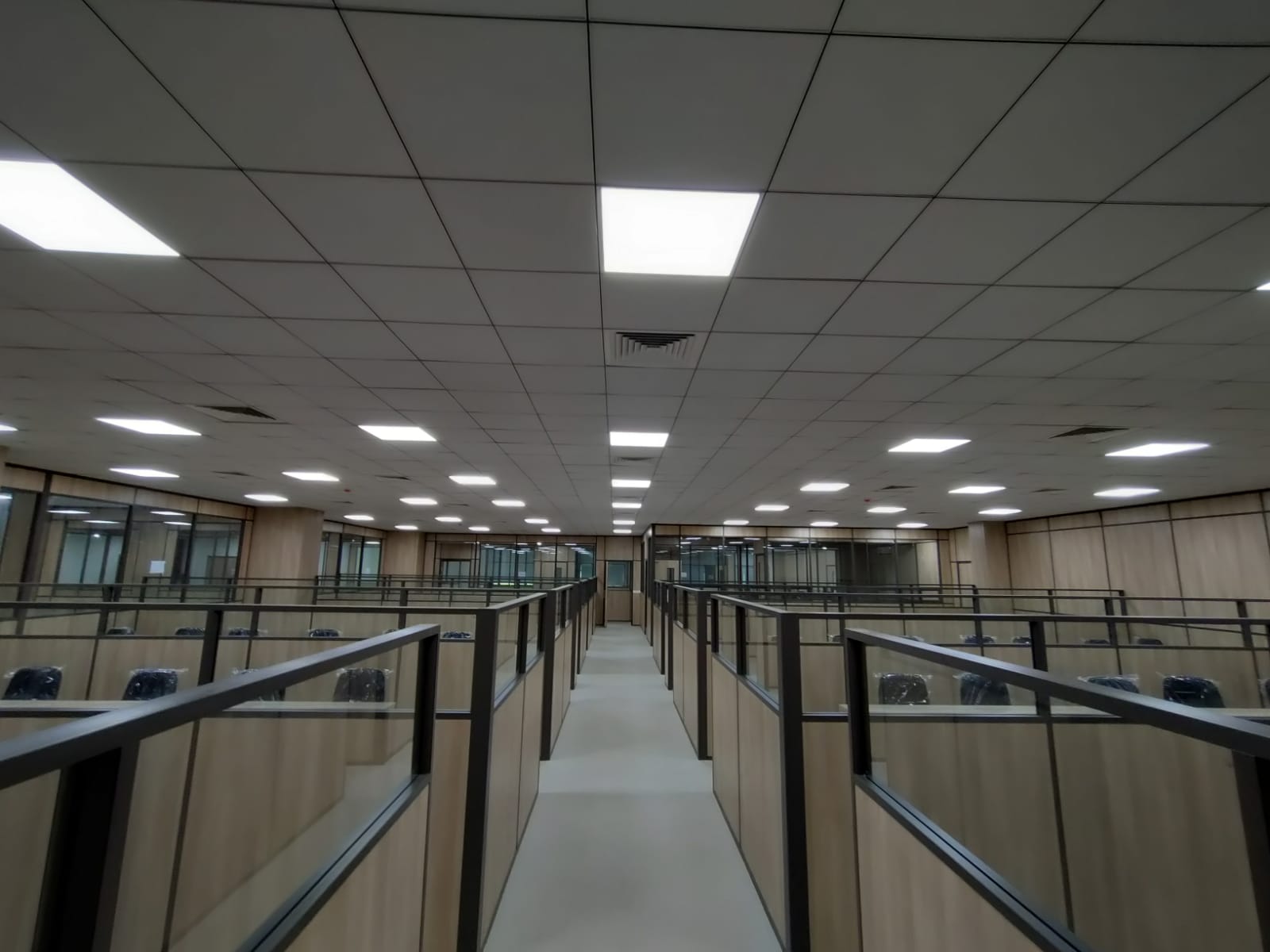
What is Modular Furniture? Complete Guide for Offices, Hotels & Commercial Projects
May 5, 2026
What is Modular Furniture? Complete Guide for Offices, Hotels & Commercial Projects
May 5, 2026
Smart. Scalable. Efficient. The Future of Commercial Interiors Starts with Modular Furniture.

Like Our Work?
Let’s Build Together
Like Our Work?
Let’s Build Together