Blogs
Acoustic Office Furniture for Better Open Plan Workspaces
Acoustic Office Furniture for Better Open Plan Workspaces
Practical ways to manage noise, privacy, and concentration without closing the office into separate rooms.

Why Furniture Matters in Workplace Acoustics
Noise is one of the most common concerns in open plan offices. Conversations, calls, movement, and equipment can travel across a large floor, making focused work difficult. While ceilings and wall treatments are important, acoustic office furniture can also help manage sound close to where it is created.
The goal is not complete silence. A productive workplace needs a comfortable balance where teams can communicate without every conversation becoming a distraction for the entire office.
Use workstation screens thoughtfully
Desk mounted screens can improve visual privacy and absorb some sound around individual workstations. Screen height, thickness, material, and placement should match the task. Very low screens provide little separation, while excessively high screens can reduce daylight and make teams feel disconnected.
Create zones based on activity
Place collaborative tables, print areas, and informal meeting points away from focused work zones. Storage units, planters, and acoustic partitions can create gentle boundaries without building permanent walls. Good zoning often improves acoustic comfort more effectively than adding random sound absorbing products.
Add enclosed settings for calls
Phone booths, small meeting rooms, and quiet rooms give employees a place for private or extended conversations. These settings reduce pressure on open workstations and help keep shared areas calmer. Their location should be convenient without placing entrances directly beside focused desks.
Choose surfaces for the full room
Hard surfaces reflect sound, so a workspace filled with glass, stone, metal, and bare ceilings may feel noisy even with good furniture planning. Upholstered seating, acoustic panels, fabric screens, rugs, and suitable ceiling treatments can work together to control reverberation.
Consider maintenance and fire performance
Acoustic materials should be easy to clean and appropriate for commercial use. Ask about fabric durability, panel construction, fire related test information, and replacement options. In high traffic workplaces, removable covers or replaceable panels may simplify long term maintenance.
Measure results after occupancy
Workplace needs can change once teams move in. Observe which zones create repeated complaints and whether the issue comes from speech, equipment, circulation, or room echo. Modular acoustic furniture can then be repositioned or supplemented without redesigning the whole office.
A quieter office is created through coordinated planning rather than one product. Acoustic office furniture works best when it supports clear zoning, suitable room finishes, and everyday workplace behaviour.
Why Furniture Matters in Workplace Acoustics
Noise is one of the most common concerns in open plan offices. Conversations, calls, movement, and equipment can travel across a large floor, making focused work difficult. While ceilings and wall treatments are important, acoustic office furniture can also help manage sound close to where it is created.
The goal is not complete silence. A productive workplace needs a comfortable balance where teams can communicate without every conversation becoming a distraction for the entire office.
Use workstation screens thoughtfully
Desk mounted screens can improve visual privacy and absorb some sound around individual workstations. Screen height, thickness, material, and placement should match the task. Very low screens provide little separation, while excessively high screens can reduce daylight and make teams feel disconnected.
Create zones based on activity
Place collaborative tables, print areas, and informal meeting points away from focused work zones. Storage units, planters, and acoustic partitions can create gentle boundaries without building permanent walls. Good zoning often improves acoustic comfort more effectively than adding random sound absorbing products.
Add enclosed settings for calls
Phone booths, small meeting rooms, and quiet rooms give employees a place for private or extended conversations. These settings reduce pressure on open workstations and help keep shared areas calmer. Their location should be convenient without placing entrances directly beside focused desks.
Choose surfaces for the full room
Hard surfaces reflect sound, so a workspace filled with glass, stone, metal, and bare ceilings may feel noisy even with good furniture planning. Upholstered seating, acoustic panels, fabric screens, rugs, and suitable ceiling treatments can work together to control reverberation.
Consider maintenance and fire performance
Acoustic materials should be easy to clean and appropriate for commercial use. Ask about fabric durability, panel construction, fire related test information, and replacement options. In high traffic workplaces, removable covers or replaceable panels may simplify long term maintenance.
Measure results after occupancy
Workplace needs can change once teams move in. Observe which zones create repeated complaints and whether the issue comes from speech, equipment, circulation, or room echo. Modular acoustic furniture can then be repositioned or supplemented without redesigning the whole office.
A quieter office is created through coordinated planning rather than one product. Acoustic office furniture works best when it supports clear zoning, suitable room finishes, and everyday workplace behaviour.
Why Furniture Matters in Workplace Acoustics
Noise is one of the most common concerns in open plan offices. Conversations, calls, movement, and equipment can travel across a large floor, making focused work difficult. While ceilings and wall treatments are important, acoustic office furniture can also help manage sound close to where it is created.
The goal is not complete silence. A productive workplace needs a comfortable balance where teams can communicate without every conversation becoming a distraction for the entire office.
Use workstation screens thoughtfully
Desk mounted screens can improve visual privacy and absorb some sound around individual workstations. Screen height, thickness, material, and placement should match the task. Very low screens provide little separation, while excessively high screens can reduce daylight and make teams feel disconnected.
Create zones based on activity
Place collaborative tables, print areas, and informal meeting points away from focused work zones. Storage units, planters, and acoustic partitions can create gentle boundaries without building permanent walls. Good zoning often improves acoustic comfort more effectively than adding random sound absorbing products.
Add enclosed settings for calls
Phone booths, small meeting rooms, and quiet rooms give employees a place for private or extended conversations. These settings reduce pressure on open workstations and help keep shared areas calmer. Their location should be convenient without placing entrances directly beside focused desks.
Choose surfaces for the full room
Hard surfaces reflect sound, so a workspace filled with glass, stone, metal, and bare ceilings may feel noisy even with good furniture planning. Upholstered seating, acoustic panels, fabric screens, rugs, and suitable ceiling treatments can work together to control reverberation.
Consider maintenance and fire performance
Acoustic materials should be easy to clean and appropriate for commercial use. Ask about fabric durability, panel construction, fire related test information, and replacement options. In high traffic workplaces, removable covers or replaceable panels may simplify long term maintenance.
Measure results after occupancy
Workplace needs can change once teams move in. Observe which zones create repeated complaints and whether the issue comes from speech, equipment, circulation, or room echo. Modular acoustic furniture can then be repositioned or supplemented without redesigning the whole office.
A quieter office is created through coordinated planning rather than one product. Acoustic office furniture works best when it supports clear zoning, suitable room finishes, and everyday workplace behaviour.
Read More
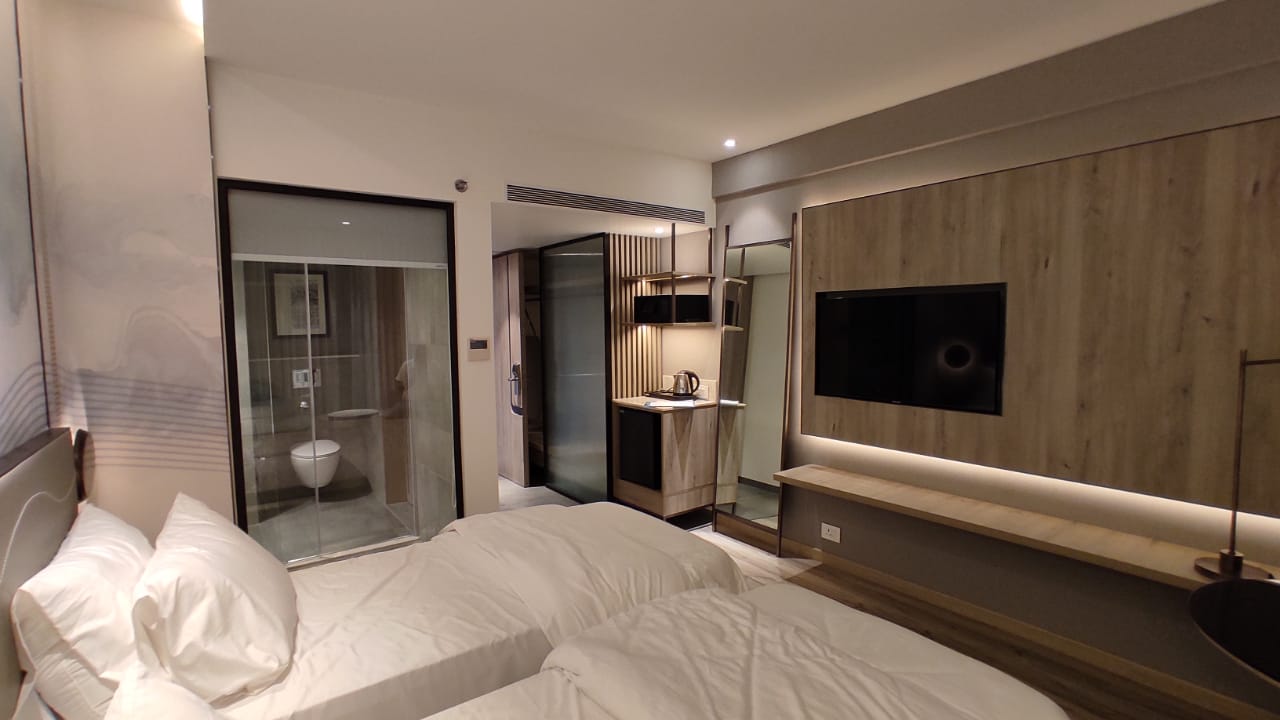
Modular Furniture vs Traditional Furniture: Cost Comparison for Commercial Projects
Jun 11, 2026
Modular Furniture vs Traditional Furniture: Cost Comparison for Commercial Projects
Jun 11, 2026
Lower Delays. Better Quality. Greater Long-Term Value.
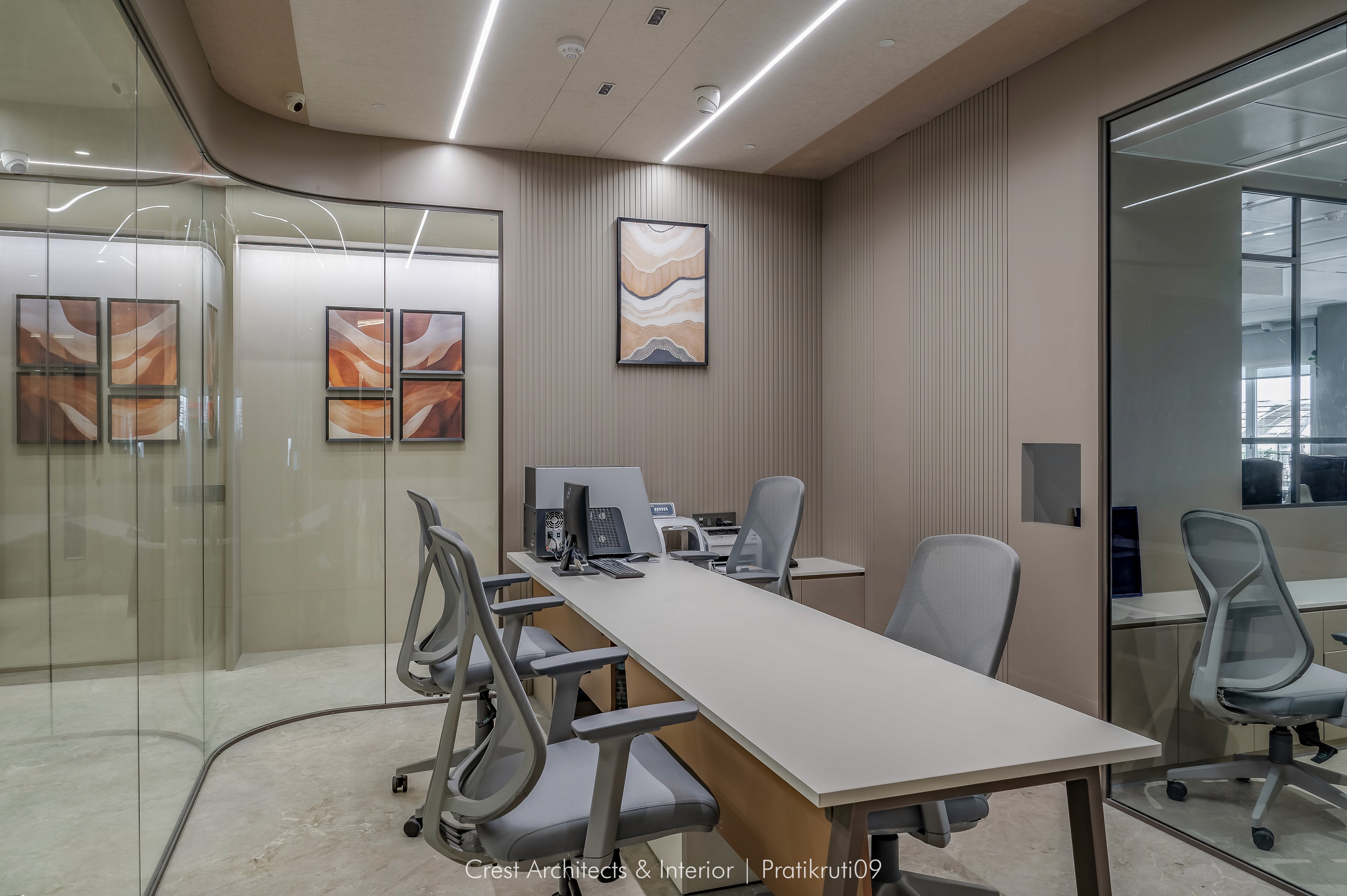
Top Benefits of Modular Furniture in Modern Offices
Jun 11, 2026
Top Benefits of Modular Furniture in Modern Offices
Jun 11, 2026
Flexible Workspaces. Better Productivity. Smarter Investment.
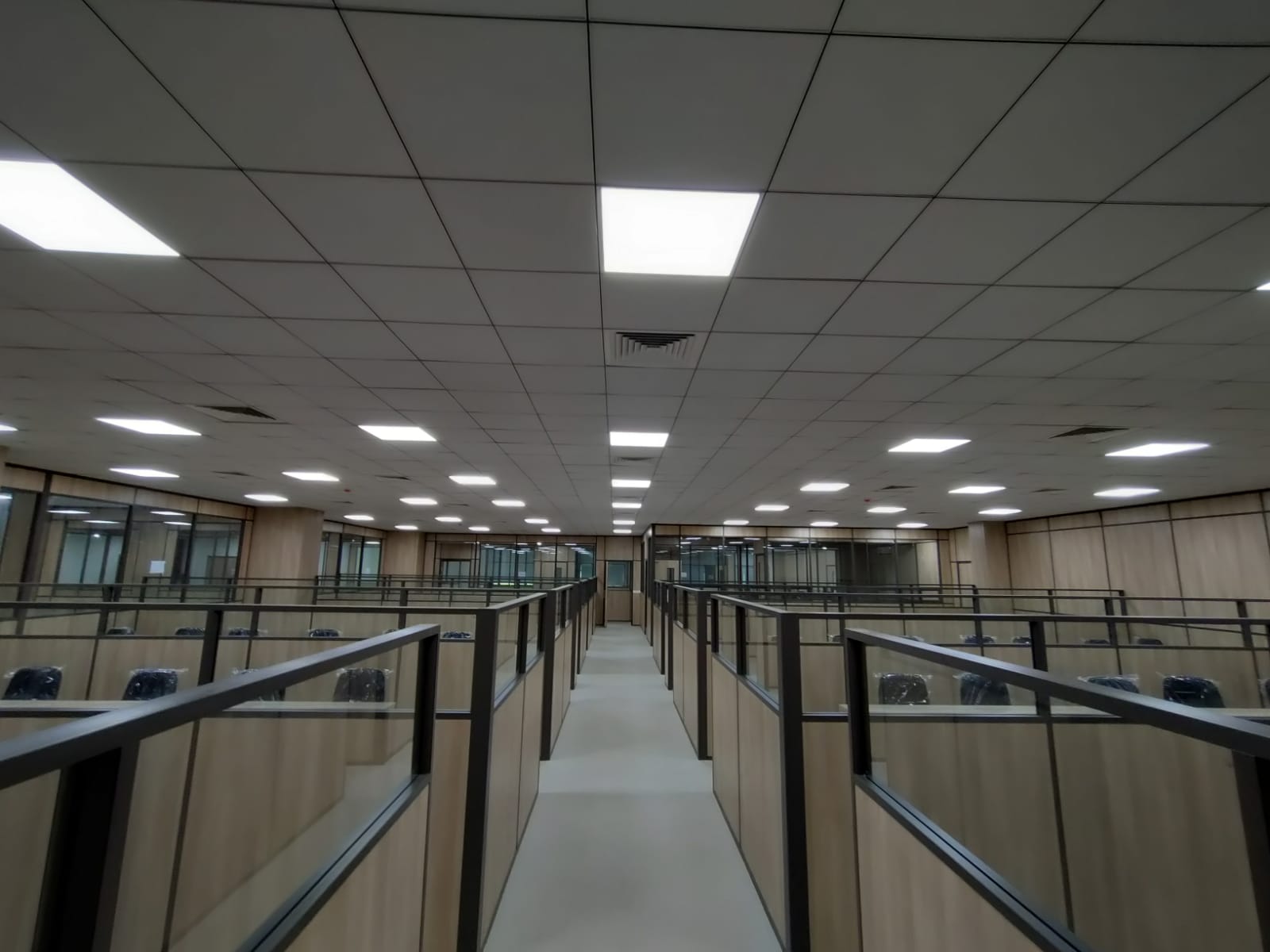
What is Modular Furniture? Complete Guide for Offices, Hotels & Commercial Projects
May 5, 2026
What is Modular Furniture? Complete Guide for Offices, Hotels & Commercial Projects
May 5, 2026
Smart. Scalable. Efficient. The Future of Commercial Interiors Starts with Modular Furniture.

Like Our Work?
Let’s Build Together
Like Our Work?
Let’s Build Together