Blogs
What is Modular Furniture? Complete Guide for Offices, Hotels & Commercial Projects
What is Modular Furniture? Complete Guide for Offices, Hotels & Commercial Projects
Smart. Scalable. Efficient. The Future of Commercial Interiors Starts with Modular Furniture.
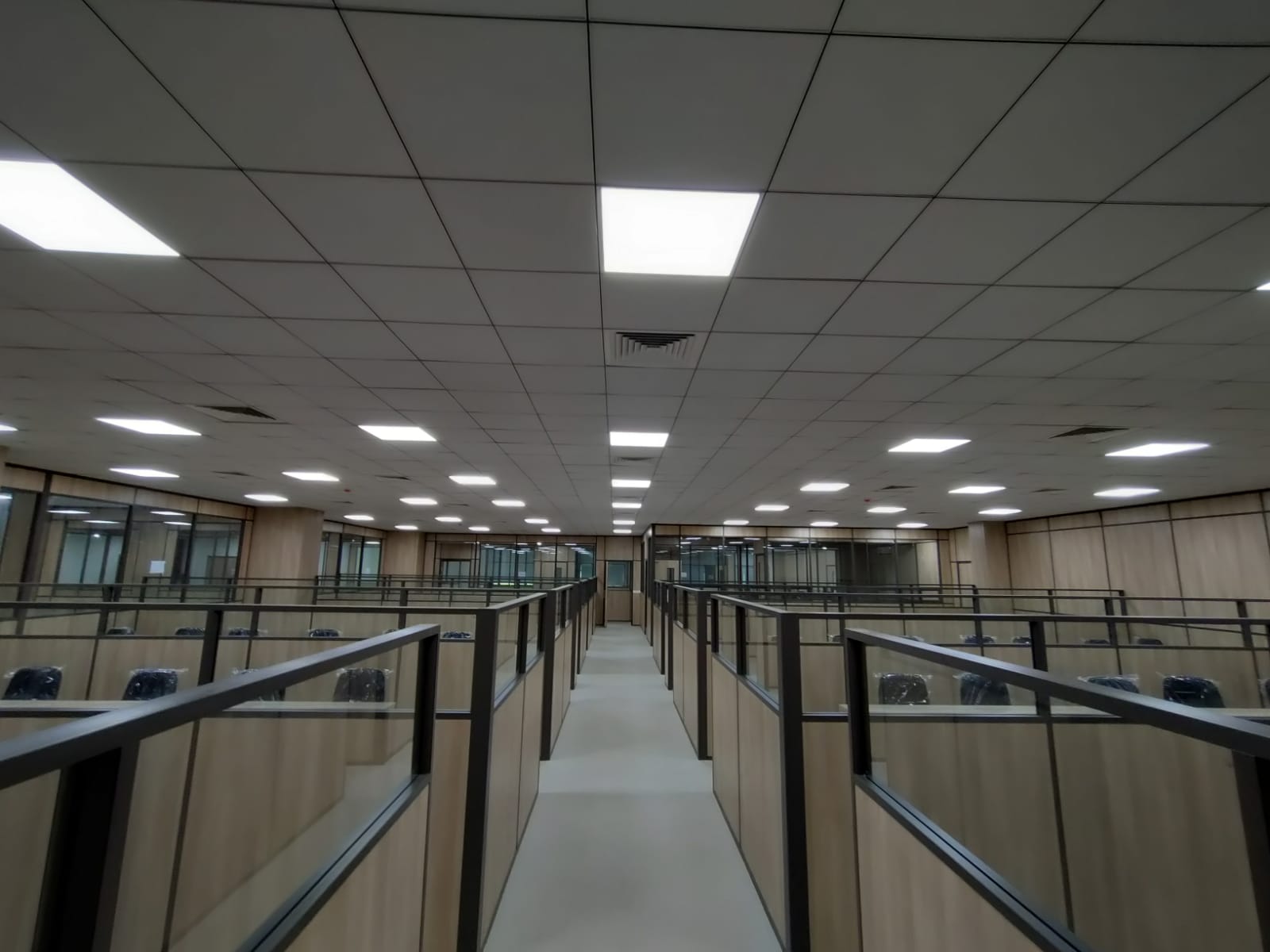
What is Modular Furniture? A Complete Guide for Commercial ProjecTs
In today's fast-paced construction and interior industry, businesses are constantly looking for solutions that are cost-effective, scalable, aesthetically appealing, and quick to install. This is where modular furniture has transformed the way commercial spaces are designed and furnished.
From corporate offices and educational institutions to hospitals, hotels, retail stores, and coworking spaces, modular furniture has become the preferred choice for modern commercial projects.
This guide explains everything you need to know about modular furniture, including its benefits, applications, materials, manufacturing process, and why it is shaping the future of commercial interiors.
Understanding Modular Furniture
Modular furniture refers to furniture that is manufactured in standardized modules or components and assembled at the project site. Unlike traditional carpentry, where furniture is built piece by piece on location, modular furniture is precision-manufactured in a factory environment and then installed efficiently at the site.
These modules are designed to fit together seamlessly while allowing flexibility in layout, size, functionality, and future modifications.
Common examples include:
Office workstations
Executive desks
Storage units
Modular wardrobes
Reception counters
Hotel room furniture
Educational furniture
Healthcare furniture
Retail display systems
The modular approach ensures consistency, quality control, and faster project completion.
Why Modular Furniture is Becoming the Industry Standard
Commercial projects operate under strict timelines and budgets. Traditional furniture manufacturing often involves prolonged site work, quality inconsistencies, and dependency on skilled carpenters.
Modular furniture addresses these challenges by offering:
Faster Project Execution
Since manufacturing and site preparation happen simultaneously, project timelines can be significantly reduced. Once the site is ready, furniture installation can often be completed within days rather than weeks.
Consistent Quality
Factory-controlled production ensures uniform dimensions, superior finishing, precise machining, and strict quality checks.
Scalability
Large projects involving hundreds or even thousands of furniture units can be produced with identical quality standards.
Flexibility
Furniture can be reconfigured, relocated, expanded, or modified as organizational needs evolve.
Reduced Site Disruption
Minimal on-site fabrication means cleaner project sites, less noise, and fewer operational disruptions.
Applications of Modular Furniture in Commercial Projects
Corporate Offices
Modern offices rely heavily on modular furniture systems.
Common applications include:
Workstations
Manager cabins
Meeting rooms
Storage units
Reception areas
Collaboration zones
These solutions support organizational growth while maintaining a professional and uniform appearance.
Hospitality Projects
Hotels require furniture that combines aesthetics, durability, and operational efficiency.
Modular furniture is widely used for:
Guest rooms
Reception areas
Restaurants
Conference facilities
Staff accommodation
Factory manufacturing ensures consistency across hundreds of rooms.
Healthcare Facilities
Hospitals and healthcare institutions require furniture that is hygienic, durable, and functional.
Applications include:
Patient rooms
Nurse stations
Waiting areas
Consultation rooms
Laboratory furniture
Modular systems simplify maintenance and future expansion.
Educational Institutions
Schools, colleges, and universities use modular furniture for:
Classrooms
Libraries
Laboratories
Faculty offices
Student housing
Standardized manufacturing ensures long-term durability and cost efficiency.
Retail and Commercial Spaces
Retail businesses benefit from modular display systems that can be quickly adapted to changing layouts and merchandising requirements.
Materials Used in Modular Furniture
The performance of modular furniture largely depends on material selection.
Common materials include:
MDF (Medium Density Fiberboard)
Offers smooth finishing and excellent machining properties.
HDF (High Density Fiberboard)
Provides greater strength and durability compared to MDF.
Plywood
Widely used where structural strength and moisture resistance are required.
Particle Board
A cost-effective solution suitable for many commercial applications.
Laminates
Available in various colors, textures, and finishes for aesthetic appeal and surface protection.
Hardware Components
Premium hardware ensures smooth operation and longer service life.
Common hardware includes:
Hinges
Drawer channels
Lift-up systems
Connectors
Locks
Sliding mechanisms
How Modular Furniture is Manufactured
Modern modular furniture manufacturing follows a highly engineered process.
Design & Engineering
Furniture layouts are developed using advanced CAD and 3D design software.
Material Planning
Material requirements are optimized to minimize wastage and improve cost efficiency.
CNC Processing
Computer-controlled machinery ensures precise cutting, drilling, routing, and machining.
Edge Banding
Protective edge treatments enhance durability and aesthetics.
Assembly & Quality Inspection
Components are assembled, tested, and inspected before dispatch.
Packaging & Logistics
Furniture is packed systematically for transportation and site installation.
Installation
Specialized installation teams complete assembly at the project location.
Key Advantages of Modular Furniture for Businesses
Cost Efficiency
Reduced labor requirements and optimized manufacturing processes help lower overall project costs.
Better Space Utilization
Custom-designed modules maximize available floor area.
Easy Maintenance
Individual components can often be repaired or replaced without affecting the entire furniture system.
Sustainable Manufacturing
Factory production minimizes material wastage and improves resource utilization.
Future Expansion
Additional modules can be integrated as organizations grow.
Modular Furniture vs Traditional Carpentry
Feature | Modular Furniture | Traditional Carpentry |
|---|---|---|
Manufacturing | Factory-based | Site-based |
Quality Consistency | High | Variable |
Installation Speed | Fast | Slow |
Scalability | Excellent | Limited |
Site Waste | Minimal | High |
Design Precision | Very High | Moderate |
Future Modifications | Easy | Difficult |
The Future of Commercial Furniture
As businesses continue to prioritize efficiency, scalability, and design flexibility, modular furniture is rapidly becoming the preferred solution for commercial interiors.
Advancements in manufacturing technology, automation, sustainable materials, and smart design systems are making modular furniture even more attractive for large-scale projects.
Organizations that invest in high-quality modular furniture benefit from faster project completion, improved aesthetics, lower maintenance costs, and greater operational flexibility.
Conclusion
Modular furniture has revolutionized the commercial interior industry by combining precision manufacturing, superior quality, scalability, and faster project execution.
Whether it is a corporate office, hotel, hospital, educational institution, or retail environment, modular furniture provides a future-ready solution that meets the demands of modern businesses.
By partnering with an experienced modular furniture manufacturer, organizations can achieve higher efficiency, consistent quality, and long-term value from their interior investments.
Call to Action
Planning a commercial interior project?
Unimaple Modutech Pvt. Ltd. specializes in large-scale modular furniture manufacturing and turnkey execution for offices, hospitality, healthcare, educational, and commercial projects across India.
Contact our team today to discuss your project requirements and discover how modular furniture can transform your space.
What is Modular Furniture? A Complete Guide for Commercial ProjecTs
In today's fast-paced construction and interior industry, businesses are constantly looking for solutions that are cost-effective, scalable, aesthetically appealing, and quick to install. This is where modular furniture has transformed the way commercial spaces are designed and furnished.
From corporate offices and educational institutions to hospitals, hotels, retail stores, and coworking spaces, modular furniture has become the preferred choice for modern commercial projects.
This guide explains everything you need to know about modular furniture, including its benefits, applications, materials, manufacturing process, and why it is shaping the future of commercial interiors.
Understanding Modular Furniture
Modular furniture refers to furniture that is manufactured in standardized modules or components and assembled at the project site. Unlike traditional carpentry, where furniture is built piece by piece on location, modular furniture is precision-manufactured in a factory environment and then installed efficiently at the site.
These modules are designed to fit together seamlessly while allowing flexibility in layout, size, functionality, and future modifications.
Common examples include:
Office workstations
Executive desks
Storage units
Modular wardrobes
Reception counters
Hotel room furniture
Educational furniture
Healthcare furniture
Retail display systems
The modular approach ensures consistency, quality control, and faster project completion.
Why Modular Furniture is Becoming the Industry Standard
Commercial projects operate under strict timelines and budgets. Traditional furniture manufacturing often involves prolonged site work, quality inconsistencies, and dependency on skilled carpenters.
Modular furniture addresses these challenges by offering:
Faster Project Execution
Since manufacturing and site preparation happen simultaneously, project timelines can be significantly reduced. Once the site is ready, furniture installation can often be completed within days rather than weeks.
Consistent Quality
Factory-controlled production ensures uniform dimensions, superior finishing, precise machining, and strict quality checks.
Scalability
Large projects involving hundreds or even thousands of furniture units can be produced with identical quality standards.
Flexibility
Furniture can be reconfigured, relocated, expanded, or modified as organizational needs evolve.
Reduced Site Disruption
Minimal on-site fabrication means cleaner project sites, less noise, and fewer operational disruptions.
Applications of Modular Furniture in Commercial Projects
Corporate Offices
Modern offices rely heavily on modular furniture systems.
Common applications include:
Workstations
Manager cabins
Meeting rooms
Storage units
Reception areas
Collaboration zones
These solutions support organizational growth while maintaining a professional and uniform appearance.
Hospitality Projects
Hotels require furniture that combines aesthetics, durability, and operational efficiency.
Modular furniture is widely used for:
Guest rooms
Reception areas
Restaurants
Conference facilities
Staff accommodation
Factory manufacturing ensures consistency across hundreds of rooms.
Healthcare Facilities
Hospitals and healthcare institutions require furniture that is hygienic, durable, and functional.
Applications include:
Patient rooms
Nurse stations
Waiting areas
Consultation rooms
Laboratory furniture
Modular systems simplify maintenance and future expansion.
Educational Institutions
Schools, colleges, and universities use modular furniture for:
Classrooms
Libraries
Laboratories
Faculty offices
Student housing
Standardized manufacturing ensures long-term durability and cost efficiency.
Retail and Commercial Spaces
Retail businesses benefit from modular display systems that can be quickly adapted to changing layouts and merchandising requirements.
Materials Used in Modular Furniture
The performance of modular furniture largely depends on material selection.
Common materials include:
MDF (Medium Density Fiberboard)
Offers smooth finishing and excellent machining properties.
HDF (High Density Fiberboard)
Provides greater strength and durability compared to MDF.
Plywood
Widely used where structural strength and moisture resistance are required.
Particle Board
A cost-effective solution suitable for many commercial applications.
Laminates
Available in various colors, textures, and finishes for aesthetic appeal and surface protection.
Hardware Components
Premium hardware ensures smooth operation and longer service life.
Common hardware includes:
Hinges
Drawer channels
Lift-up systems
Connectors
Locks
Sliding mechanisms
How Modular Furniture is Manufactured
Modern modular furniture manufacturing follows a highly engineered process.
Design & Engineering
Furniture layouts are developed using advanced CAD and 3D design software.
Material Planning
Material requirements are optimized to minimize wastage and improve cost efficiency.
CNC Processing
Computer-controlled machinery ensures precise cutting, drilling, routing, and machining.
Edge Banding
Protective edge treatments enhance durability and aesthetics.
Assembly & Quality Inspection
Components are assembled, tested, and inspected before dispatch.
Packaging & Logistics
Furniture is packed systematically for transportation and site installation.
Installation
Specialized installation teams complete assembly at the project location.
Key Advantages of Modular Furniture for Businesses
Cost Efficiency
Reduced labor requirements and optimized manufacturing processes help lower overall project costs.
Better Space Utilization
Custom-designed modules maximize available floor area.
Easy Maintenance
Individual components can often be repaired or replaced without affecting the entire furniture system.
Sustainable Manufacturing
Factory production minimizes material wastage and improves resource utilization.
Future Expansion
Additional modules can be integrated as organizations grow.
Modular Furniture vs Traditional Carpentry
Feature | Modular Furniture | Traditional Carpentry |
|---|---|---|
Manufacturing | Factory-based | Site-based |
Quality Consistency | High | Variable |
Installation Speed | Fast | Slow |
Scalability | Excellent | Limited |
Site Waste | Minimal | High |
Design Precision | Very High | Moderate |
Future Modifications | Easy | Difficult |
The Future of Commercial Furniture
As businesses continue to prioritize efficiency, scalability, and design flexibility, modular furniture is rapidly becoming the preferred solution for commercial interiors.
Advancements in manufacturing technology, automation, sustainable materials, and smart design systems are making modular furniture even more attractive for large-scale projects.
Organizations that invest in high-quality modular furniture benefit from faster project completion, improved aesthetics, lower maintenance costs, and greater operational flexibility.
Conclusion
Modular furniture has revolutionized the commercial interior industry by combining precision manufacturing, superior quality, scalability, and faster project execution.
Whether it is a corporate office, hotel, hospital, educational institution, or retail environment, modular furniture provides a future-ready solution that meets the demands of modern businesses.
By partnering with an experienced modular furniture manufacturer, organizations can achieve higher efficiency, consistent quality, and long-term value from their interior investments.
Call to Action
Planning a commercial interior project?
Unimaple Modutech Pvt. Ltd. specializes in large-scale modular furniture manufacturing and turnkey execution for offices, hospitality, healthcare, educational, and commercial projects across India.
Contact our team today to discuss your project requirements and discover how modular furniture can transform your space.
What is Modular Furniture? A Complete Guide for Commercial ProjecTs
In today's fast-paced construction and interior industry, businesses are constantly looking for solutions that are cost-effective, scalable, aesthetically appealing, and quick to install. This is where modular furniture has transformed the way commercial spaces are designed and furnished.
From corporate offices and educational institutions to hospitals, hotels, retail stores, and coworking spaces, modular furniture has become the preferred choice for modern commercial projects.
This guide explains everything you need to know about modular furniture, including its benefits, applications, materials, manufacturing process, and why it is shaping the future of commercial interiors.
Understanding Modular Furniture
Modular furniture refers to furniture that is manufactured in standardized modules or components and assembled at the project site. Unlike traditional carpentry, where furniture is built piece by piece on location, modular furniture is precision-manufactured in a factory environment and then installed efficiently at the site.
These modules are designed to fit together seamlessly while allowing flexibility in layout, size, functionality, and future modifications.
Common examples include:
Office workstations
Executive desks
Storage units
Modular wardrobes
Reception counters
Hotel room furniture
Educational furniture
Healthcare furniture
Retail display systems
The modular approach ensures consistency, quality control, and faster project completion.
Why Modular Furniture is Becoming the Industry Standard
Commercial projects operate under strict timelines and budgets. Traditional furniture manufacturing often involves prolonged site work, quality inconsistencies, and dependency on skilled carpenters.
Modular furniture addresses these challenges by offering:
Faster Project Execution
Since manufacturing and site preparation happen simultaneously, project timelines can be significantly reduced. Once the site is ready, furniture installation can often be completed within days rather than weeks.
Consistent Quality
Factory-controlled production ensures uniform dimensions, superior finishing, precise machining, and strict quality checks.
Scalability
Large projects involving hundreds or even thousands of furniture units can be produced with identical quality standards.
Flexibility
Furniture can be reconfigured, relocated, expanded, or modified as organizational needs evolve.
Reduced Site Disruption
Minimal on-site fabrication means cleaner project sites, less noise, and fewer operational disruptions.
Applications of Modular Furniture in Commercial Projects
Corporate Offices
Modern offices rely heavily on modular furniture systems.
Common applications include:
Workstations
Manager cabins
Meeting rooms
Storage units
Reception areas
Collaboration zones
These solutions support organizational growth while maintaining a professional and uniform appearance.
Hospitality Projects
Hotels require furniture that combines aesthetics, durability, and operational efficiency.
Modular furniture is widely used for:
Guest rooms
Reception areas
Restaurants
Conference facilities
Staff accommodation
Factory manufacturing ensures consistency across hundreds of rooms.
Healthcare Facilities
Hospitals and healthcare institutions require furniture that is hygienic, durable, and functional.
Applications include:
Patient rooms
Nurse stations
Waiting areas
Consultation rooms
Laboratory furniture
Modular systems simplify maintenance and future expansion.
Educational Institutions
Schools, colleges, and universities use modular furniture for:
Classrooms
Libraries
Laboratories
Faculty offices
Student housing
Standardized manufacturing ensures long-term durability and cost efficiency.
Retail and Commercial Spaces
Retail businesses benefit from modular display systems that can be quickly adapted to changing layouts and merchandising requirements.
Materials Used in Modular Furniture
The performance of modular furniture largely depends on material selection.
Common materials include:
MDF (Medium Density Fiberboard)
Offers smooth finishing and excellent machining properties.
HDF (High Density Fiberboard)
Provides greater strength and durability compared to MDF.
Plywood
Widely used where structural strength and moisture resistance are required.
Particle Board
A cost-effective solution suitable for many commercial applications.
Laminates
Available in various colors, textures, and finishes for aesthetic appeal and surface protection.
Hardware Components
Premium hardware ensures smooth operation and longer service life.
Common hardware includes:
Hinges
Drawer channels
Lift-up systems
Connectors
Locks
Sliding mechanisms
How Modular Furniture is Manufactured
Modern modular furniture manufacturing follows a highly engineered process.
Design & Engineering
Furniture layouts are developed using advanced CAD and 3D design software.
Material Planning
Material requirements are optimized to minimize wastage and improve cost efficiency.
CNC Processing
Computer-controlled machinery ensures precise cutting, drilling, routing, and machining.
Edge Banding
Protective edge treatments enhance durability and aesthetics.
Assembly & Quality Inspection
Components are assembled, tested, and inspected before dispatch.
Packaging & Logistics
Furniture is packed systematically for transportation and site installation.
Installation
Specialized installation teams complete assembly at the project location.
Key Advantages of Modular Furniture for Businesses
Cost Efficiency
Reduced labor requirements and optimized manufacturing processes help lower overall project costs.
Better Space Utilization
Custom-designed modules maximize available floor area.
Easy Maintenance
Individual components can often be repaired or replaced without affecting the entire furniture system.
Sustainable Manufacturing
Factory production minimizes material wastage and improves resource utilization.
Future Expansion
Additional modules can be integrated as organizations grow.
Modular Furniture vs Traditional Carpentry
Feature | Modular Furniture | Traditional Carpentry |
|---|---|---|
Manufacturing | Factory-based | Site-based |
Quality Consistency | High | Variable |
Installation Speed | Fast | Slow |
Scalability | Excellent | Limited |
Site Waste | Minimal | High |
Design Precision | Very High | Moderate |
Future Modifications | Easy | Difficult |
The Future of Commercial Furniture
As businesses continue to prioritize efficiency, scalability, and design flexibility, modular furniture is rapidly becoming the preferred solution for commercial interiors.
Advancements in manufacturing technology, automation, sustainable materials, and smart design systems are making modular furniture even more attractive for large-scale projects.
Organizations that invest in high-quality modular furniture benefit from faster project completion, improved aesthetics, lower maintenance costs, and greater operational flexibility.
Conclusion
Modular furniture has revolutionized the commercial interior industry by combining precision manufacturing, superior quality, scalability, and faster project execution.
Whether it is a corporate office, hotel, hospital, educational institution, or retail environment, modular furniture provides a future-ready solution that meets the demands of modern businesses.
By partnering with an experienced modular furniture manufacturer, organizations can achieve higher efficiency, consistent quality, and long-term value from their interior investments.
Call to Action
Planning a commercial interior project?
Unimaple Modutech Pvt. Ltd. specializes in large-scale modular furniture manufacturing and turnkey execution for offices, hospitality, healthcare, educational, and commercial projects across India.
Contact our team today to discuss your project requirements and discover how modular furniture can transform your space.
Read More
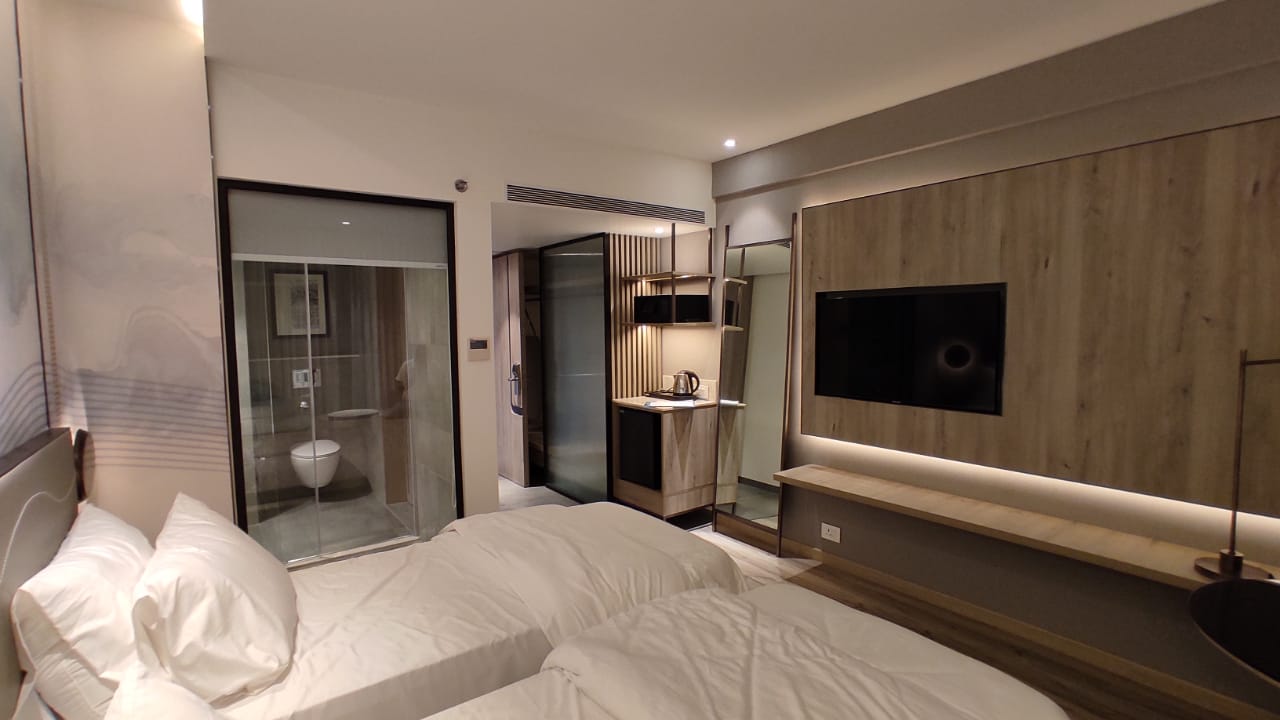
Modular Furniture vs Traditional Furniture: Cost Comparison for Commercial Projects
Jun 11, 2026
Modular Furniture vs Traditional Furniture: Cost Comparison for Commercial Projects
Jun 11, 2026
Lower Delays. Better Quality. Greater Long-Term Value.
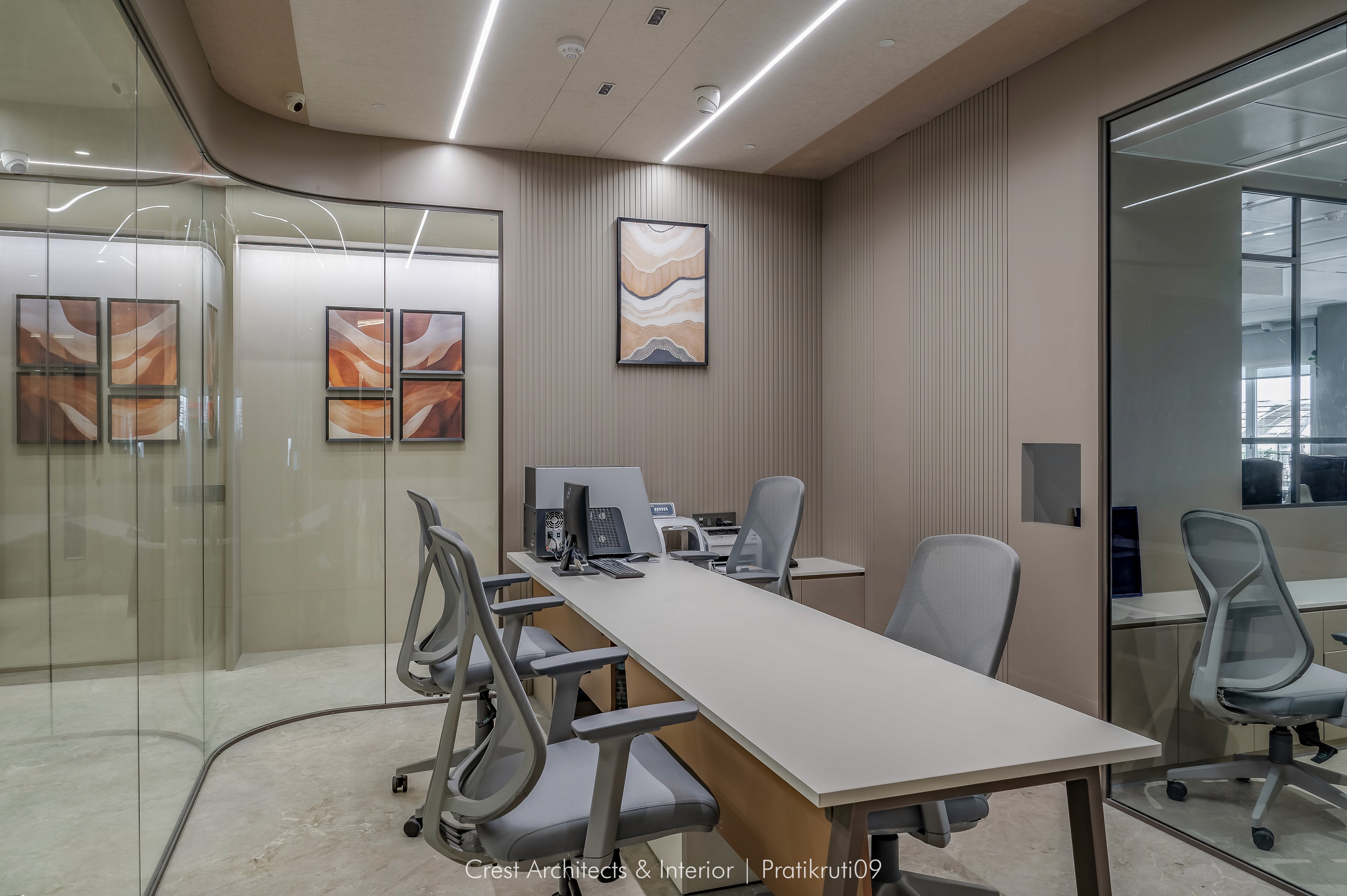
Top Benefits of Modular Furniture in Modern Offices
Jun 11, 2026
Top Benefits of Modular Furniture in Modern Offices
Jun 11, 2026
Flexible Workspaces. Better Productivity. Smarter Investment.
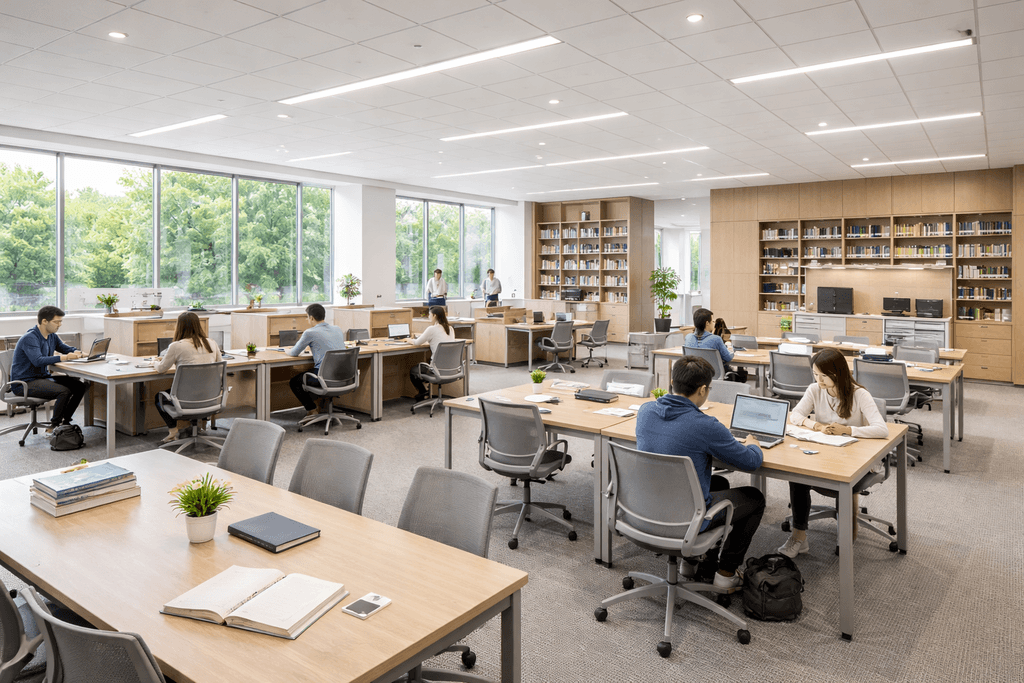
Designing Institutional Spaces with Modular Furniture Solutions
Apr 3, 2026
Designing Institutional Spaces with Modular Furniture Solutions
Apr 3, 2026
Institutional environments demand furniture that is durable, scalable, and built for long term performance.

Like Our Work?
Let’s Build Together
Like Our Work?
Let’s Build Together
Like Our Work?
Let’s Build Together
Scroll To Top