Blogs
Commercial Furniture Specification Checklist for Architects and Project Teams
Commercial Furniture Specification Checklist for Architects and Project Teams
The essential details that protect quality, timelines, and long term performance on large interior projects.

Why a Clear Furniture Specification Matters
Commercial furniture specifications translate design intent into measurable requirements. They help architects, project managers, procurement teams, and manufacturers agree on materials, dimensions, performance, and finish quality before production begins. Without this clarity, two products that look similar in a presentation can perform very differently in daily use.
A complete specification also makes vendor comparisons more accurate. Instead of selecting furniture only by price or appearance, project teams can evaluate construction, hardware, warranty, serviceability, and compliance on the same basis.
Define dimensions and tolerances
List overall dimensions, critical clearances, worktop heights, storage capacity, and acceptable manufacturing tolerances. Confirm whether measurements relate to finished sizes or nominal module sizes. For modular furniture, connection details and alignment between repeated units are especially important.
Specify core materials and surface finishes
State the board type, thickness, density, edge treatment, laminate grade, veneer requirement, metal finish, and upholstery performance. Commercial office furniture, hotel furniture, healthcare furniture, and institutional furniture each face different levels of wear, cleaning, moisture, and impact. The material specification should reflect the actual environment.
Review hardware and moving parts
Hinges, drawer channels, locks, levellers, connectors, and cable access components influence the life of the product. Specify tested hardware from dependable sources and confirm load ratings where relevant. Soft closing systems and replaceable components can improve user experience while reducing maintenance over time.
Include safety and compliance requirements
Consider stability, edge safety, fire performance, accessibility, ergonomic guidance, indoor air quality, and project specific standards. Ask the manufacturer for applicable test reports and material documentation rather than relying on general claims.
Confirm samples and approval stages
Finish samples should be reviewed under the actual project lighting whenever possible. For high volume projects, approve a prototype or control sample before mass production. This becomes the reference for colour, workmanship, dimensions, and assembly quality throughout the order.
Document packing, delivery, and installation
A furniture specification should cover more than the product itself. Define packaging, floor wise delivery, site storage, installation sequence, protection after installation, snag resolution, and handover documents. These details are critical for large commercial interior projects with tight schedules.
A precise commercial furniture specification protects the design while giving manufacturers the information needed to deliver consistently. It is one of the most effective tools for controlling quality, cost, and project risk.
Why a Clear Furniture Specification Matters
Commercial furniture specifications translate design intent into measurable requirements. They help architects, project managers, procurement teams, and manufacturers agree on materials, dimensions, performance, and finish quality before production begins. Without this clarity, two products that look similar in a presentation can perform very differently in daily use.
A complete specification also makes vendor comparisons more accurate. Instead of selecting furniture only by price or appearance, project teams can evaluate construction, hardware, warranty, serviceability, and compliance on the same basis.
Define dimensions and tolerances
List overall dimensions, critical clearances, worktop heights, storage capacity, and acceptable manufacturing tolerances. Confirm whether measurements relate to finished sizes or nominal module sizes. For modular furniture, connection details and alignment between repeated units are especially important.
Specify core materials and surface finishes
State the board type, thickness, density, edge treatment, laminate grade, veneer requirement, metal finish, and upholstery performance. Commercial office furniture, hotel furniture, healthcare furniture, and institutional furniture each face different levels of wear, cleaning, moisture, and impact. The material specification should reflect the actual environment.
Review hardware and moving parts
Hinges, drawer channels, locks, levellers, connectors, and cable access components influence the life of the product. Specify tested hardware from dependable sources and confirm load ratings where relevant. Soft closing systems and replaceable components can improve user experience while reducing maintenance over time.
Include safety and compliance requirements
Consider stability, edge safety, fire performance, accessibility, ergonomic guidance, indoor air quality, and project specific standards. Ask the manufacturer for applicable test reports and material documentation rather than relying on general claims.
Confirm samples and approval stages
Finish samples should be reviewed under the actual project lighting whenever possible. For high volume projects, approve a prototype or control sample before mass production. This becomes the reference for colour, workmanship, dimensions, and assembly quality throughout the order.
Document packing, delivery, and installation
A furniture specification should cover more than the product itself. Define packaging, floor wise delivery, site storage, installation sequence, protection after installation, snag resolution, and handover documents. These details are critical for large commercial interior projects with tight schedules.
A precise commercial furniture specification protects the design while giving manufacturers the information needed to deliver consistently. It is one of the most effective tools for controlling quality, cost, and project risk.
Why a Clear Furniture Specification Matters
Commercial furniture specifications translate design intent into measurable requirements. They help architects, project managers, procurement teams, and manufacturers agree on materials, dimensions, performance, and finish quality before production begins. Without this clarity, two products that look similar in a presentation can perform very differently in daily use.
A complete specification also makes vendor comparisons more accurate. Instead of selecting furniture only by price or appearance, project teams can evaluate construction, hardware, warranty, serviceability, and compliance on the same basis.
Define dimensions and tolerances
List overall dimensions, critical clearances, worktop heights, storage capacity, and acceptable manufacturing tolerances. Confirm whether measurements relate to finished sizes or nominal module sizes. For modular furniture, connection details and alignment between repeated units are especially important.
Specify core materials and surface finishes
State the board type, thickness, density, edge treatment, laminate grade, veneer requirement, metal finish, and upholstery performance. Commercial office furniture, hotel furniture, healthcare furniture, and institutional furniture each face different levels of wear, cleaning, moisture, and impact. The material specification should reflect the actual environment.
Review hardware and moving parts
Hinges, drawer channels, locks, levellers, connectors, and cable access components influence the life of the product. Specify tested hardware from dependable sources and confirm load ratings where relevant. Soft closing systems and replaceable components can improve user experience while reducing maintenance over time.
Include safety and compliance requirements
Consider stability, edge safety, fire performance, accessibility, ergonomic guidance, indoor air quality, and project specific standards. Ask the manufacturer for applicable test reports and material documentation rather than relying on general claims.
Confirm samples and approval stages
Finish samples should be reviewed under the actual project lighting whenever possible. For high volume projects, approve a prototype or control sample before mass production. This becomes the reference for colour, workmanship, dimensions, and assembly quality throughout the order.
Document packing, delivery, and installation
A furniture specification should cover more than the product itself. Define packaging, floor wise delivery, site storage, installation sequence, protection after installation, snag resolution, and handover documents. These details are critical for large commercial interior projects with tight schedules.
A precise commercial furniture specification protects the design while giving manufacturers the information needed to deliver consistently. It is one of the most effective tools for controlling quality, cost, and project risk.
Read More
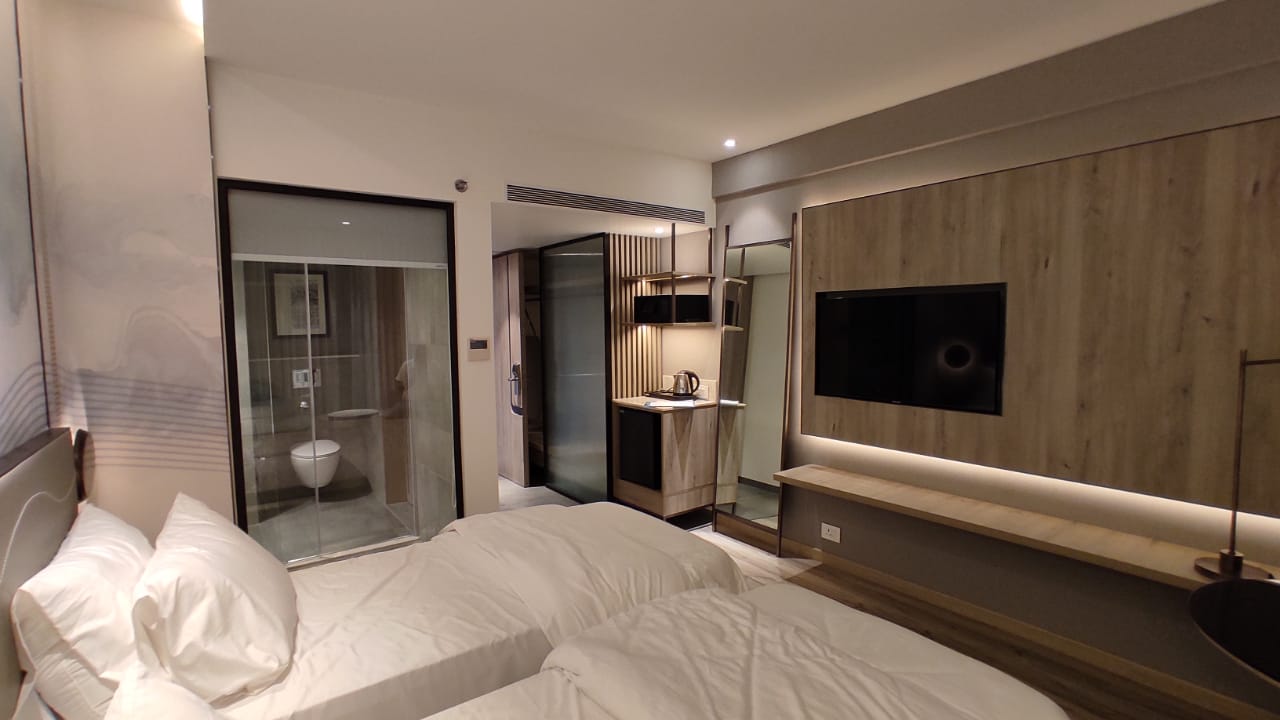
Modular Furniture vs Traditional Furniture: Cost Comparison for Commercial Projects
Jun 11, 2026
Modular Furniture vs Traditional Furniture: Cost Comparison for Commercial Projects
Jun 11, 2026
Lower Delays. Better Quality. Greater Long-Term Value.
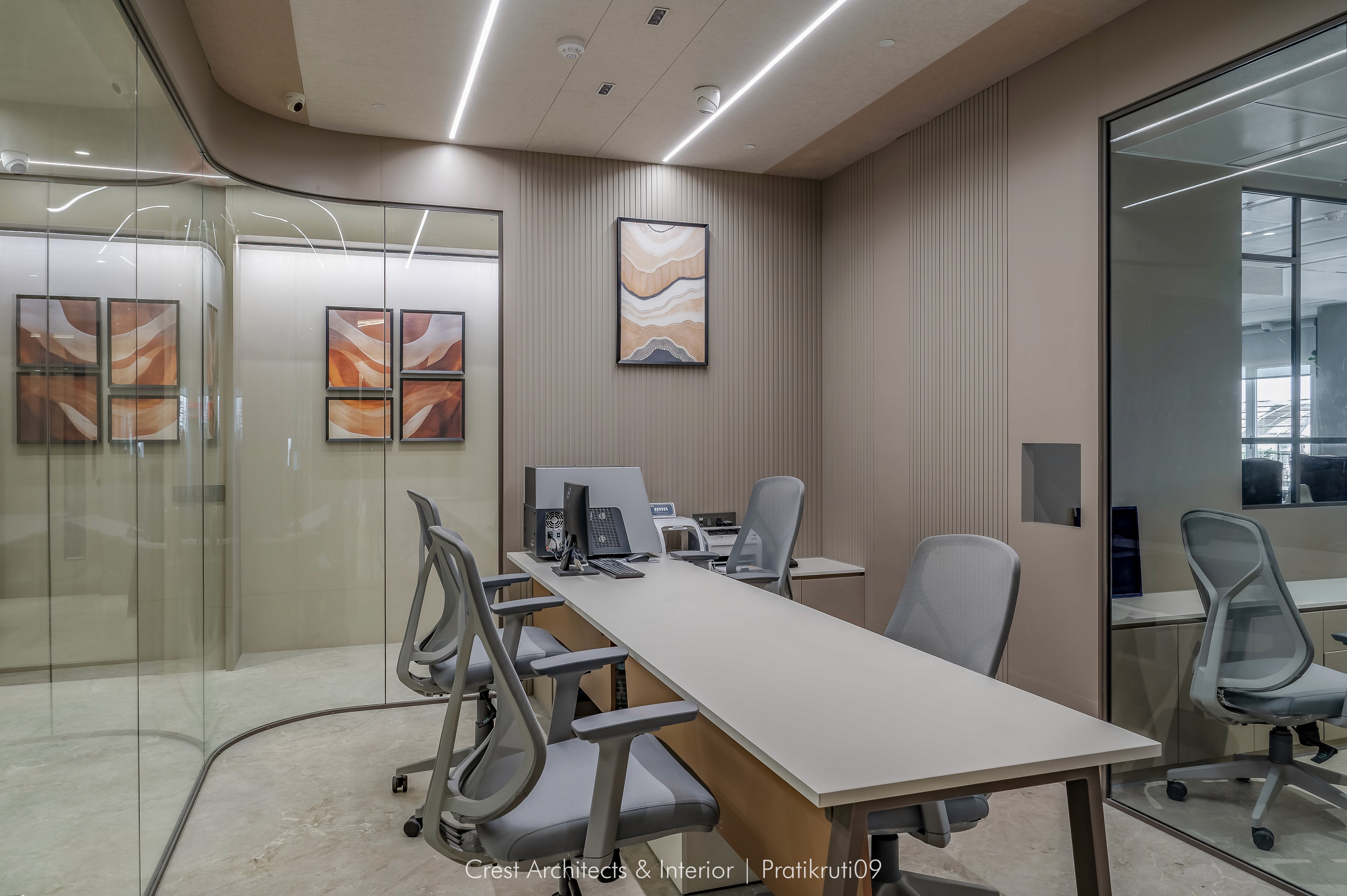
Top Benefits of Modular Furniture in Modern Offices
Jun 11, 2026
Top Benefits of Modular Furniture in Modern Offices
Jun 11, 2026
Flexible Workspaces. Better Productivity. Smarter Investment.
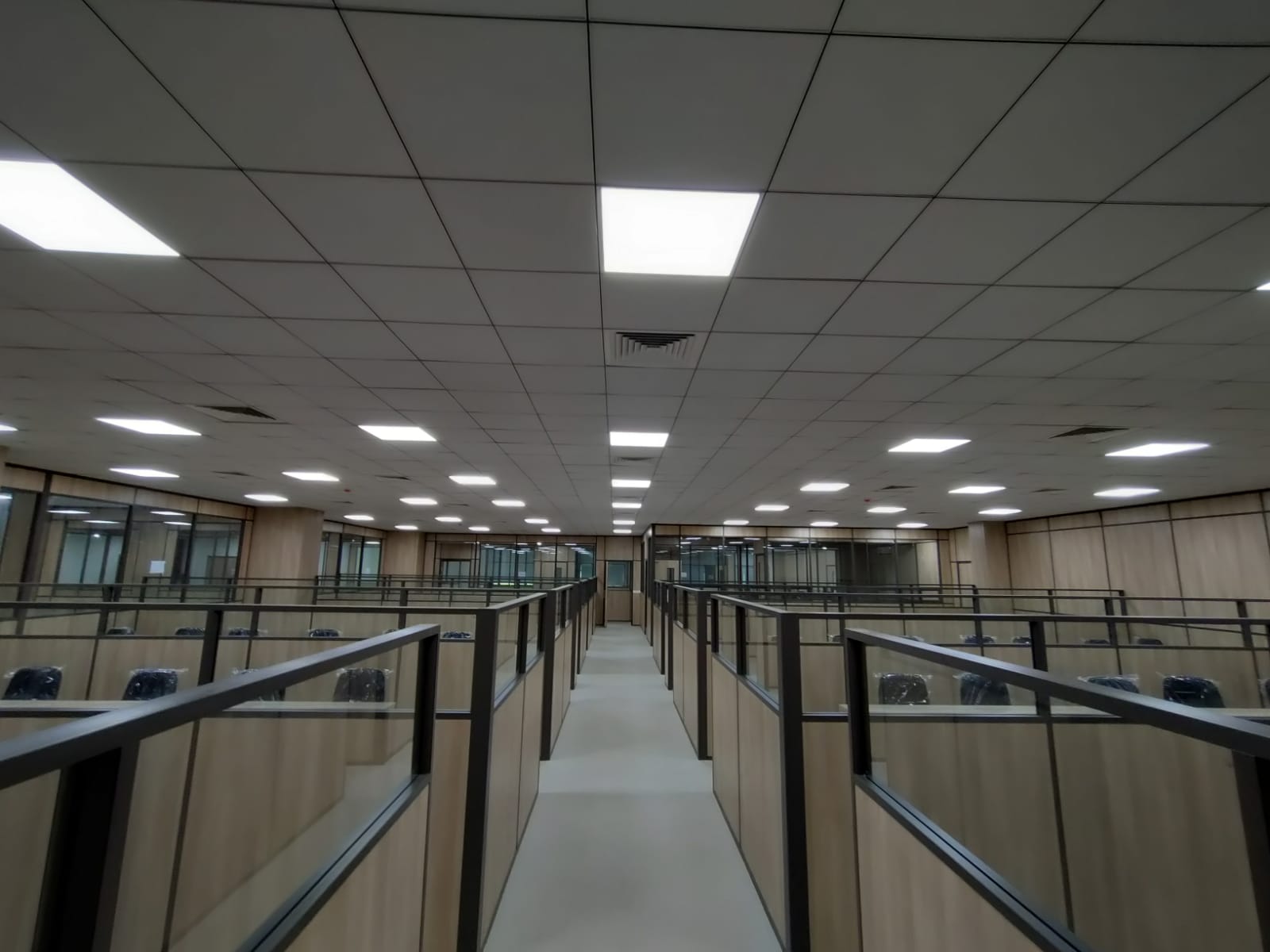
What is Modular Furniture? Complete Guide for Offices, Hotels & Commercial Projects
May 5, 2026
What is Modular Furniture? Complete Guide for Offices, Hotels & Commercial Projects
May 5, 2026
Smart. Scalable. Efficient. The Future of Commercial Interiors Starts with Modular Furniture.

Like Our Work?
Let’s Build Together
Like Our Work?
Let’s Build Together