Blogs
Furniture Procurement for Multi Location Office Rollouts
Furniture Procurement for Multi Location Office Rollouts
A structured approach to consistent quality, faster installation, and reliable budgets across multiple sites.

Consistency Is the Core Challenge
Multi location office rollouts require more than placing the same order several times. Each site may have different floor plates, delivery access, local contractors, opening dates, and storage conditions. A strong furniture procurement strategy creates consistency while allowing controlled adjustments for each location.
Modular furniture is well suited to rollouts because repeatable components can be manufactured in volume, packed by zone, and configured for different room sizes. The system becomes a common kit of parts rather than a collection of unrelated custom products.
Build a standard furniture programme
Define approved workstation types, meeting tables, storage units, reception elements, collaborative settings, finishes, and accessories. Record dimensions, material specifications, hardware, and acceptable alternates. A clear standard reduces design time and prevents each site from making independent choices that increase cost.
Survey every site before release
Even a standard programme needs verified site information. Confirm room dimensions, columns, power locations, lift sizes, loading access, floor protection rules, and installation hours. Survey records should be linked to the final furniture layout so manufacturing quantities are based on approved conditions.
Use prototypes and benchmark samples
Approve a representative workstation or room setting before full production. The benchmark should establish finish colour, edge quality, hardware operation, cable management, labelling, and assembly standards. Photographs and signed sample records help maintain the same expectations across locations.
Coordinate production with the rollout schedule
Manufacturing, packing, transport, and installation should follow the project sequence. Site wise batches prevent products from arriving too early or being mixed between locations. Clear package labels by floor, department, and room can significantly reduce handling time during installation.
Track changes through one approval process
Late changes are common in rollouts, but uncontrolled revisions create inconsistent sites and duplicate orders. Use a central change log with drawing references, quantity impact, cost impact, and approval status. This gives procurement and project teams one reliable source of information.
Plan after sales support from the beginning
Keep records of installed modules, finishes, spare parts, and warranty details for each office. When a team expands or a component needs replacement, the facility manager can identify the correct item quickly. This is a major advantage of working with a modular furniture manufacturer that maintains standard systems.
Successful furniture procurement for multiple offices depends on disciplined standards, accurate site data, coordinated logistics, and dependable after sales service. When these elements are planned together, every location can achieve a consistent brand experience without losing practical flexibility.
Consistency Is the Core Challenge
Multi location office rollouts require more than placing the same order several times. Each site may have different floor plates, delivery access, local contractors, opening dates, and storage conditions. A strong furniture procurement strategy creates consistency while allowing controlled adjustments for each location.
Modular furniture is well suited to rollouts because repeatable components can be manufactured in volume, packed by zone, and configured for different room sizes. The system becomes a common kit of parts rather than a collection of unrelated custom products.
Build a standard furniture programme
Define approved workstation types, meeting tables, storage units, reception elements, collaborative settings, finishes, and accessories. Record dimensions, material specifications, hardware, and acceptable alternates. A clear standard reduces design time and prevents each site from making independent choices that increase cost.
Survey every site before release
Even a standard programme needs verified site information. Confirm room dimensions, columns, power locations, lift sizes, loading access, floor protection rules, and installation hours. Survey records should be linked to the final furniture layout so manufacturing quantities are based on approved conditions.
Use prototypes and benchmark samples
Approve a representative workstation or room setting before full production. The benchmark should establish finish colour, edge quality, hardware operation, cable management, labelling, and assembly standards. Photographs and signed sample records help maintain the same expectations across locations.
Coordinate production with the rollout schedule
Manufacturing, packing, transport, and installation should follow the project sequence. Site wise batches prevent products from arriving too early or being mixed between locations. Clear package labels by floor, department, and room can significantly reduce handling time during installation.
Track changes through one approval process
Late changes are common in rollouts, but uncontrolled revisions create inconsistent sites and duplicate orders. Use a central change log with drawing references, quantity impact, cost impact, and approval status. This gives procurement and project teams one reliable source of information.
Plan after sales support from the beginning
Keep records of installed modules, finishes, spare parts, and warranty details for each office. When a team expands or a component needs replacement, the facility manager can identify the correct item quickly. This is a major advantage of working with a modular furniture manufacturer that maintains standard systems.
Successful furniture procurement for multiple offices depends on disciplined standards, accurate site data, coordinated logistics, and dependable after sales service. When these elements are planned together, every location can achieve a consistent brand experience without losing practical flexibility.
Consistency Is the Core Challenge
Multi location office rollouts require more than placing the same order several times. Each site may have different floor plates, delivery access, local contractors, opening dates, and storage conditions. A strong furniture procurement strategy creates consistency while allowing controlled adjustments for each location.
Modular furniture is well suited to rollouts because repeatable components can be manufactured in volume, packed by zone, and configured for different room sizes. The system becomes a common kit of parts rather than a collection of unrelated custom products.
Build a standard furniture programme
Define approved workstation types, meeting tables, storage units, reception elements, collaborative settings, finishes, and accessories. Record dimensions, material specifications, hardware, and acceptable alternates. A clear standard reduces design time and prevents each site from making independent choices that increase cost.
Survey every site before release
Even a standard programme needs verified site information. Confirm room dimensions, columns, power locations, lift sizes, loading access, floor protection rules, and installation hours. Survey records should be linked to the final furniture layout so manufacturing quantities are based on approved conditions.
Use prototypes and benchmark samples
Approve a representative workstation or room setting before full production. The benchmark should establish finish colour, edge quality, hardware operation, cable management, labelling, and assembly standards. Photographs and signed sample records help maintain the same expectations across locations.
Coordinate production with the rollout schedule
Manufacturing, packing, transport, and installation should follow the project sequence. Site wise batches prevent products from arriving too early or being mixed between locations. Clear package labels by floor, department, and room can significantly reduce handling time during installation.
Track changes through one approval process
Late changes are common in rollouts, but uncontrolled revisions create inconsistent sites and duplicate orders. Use a central change log with drawing references, quantity impact, cost impact, and approval status. This gives procurement and project teams one reliable source of information.
Plan after sales support from the beginning
Keep records of installed modules, finishes, spare parts, and warranty details for each office. When a team expands or a component needs replacement, the facility manager can identify the correct item quickly. This is a major advantage of working with a modular furniture manufacturer that maintains standard systems.
Successful furniture procurement for multiple offices depends on disciplined standards, accurate site data, coordinated logistics, and dependable after sales service. When these elements are planned together, every location can achieve a consistent brand experience without losing practical flexibility.
Read More
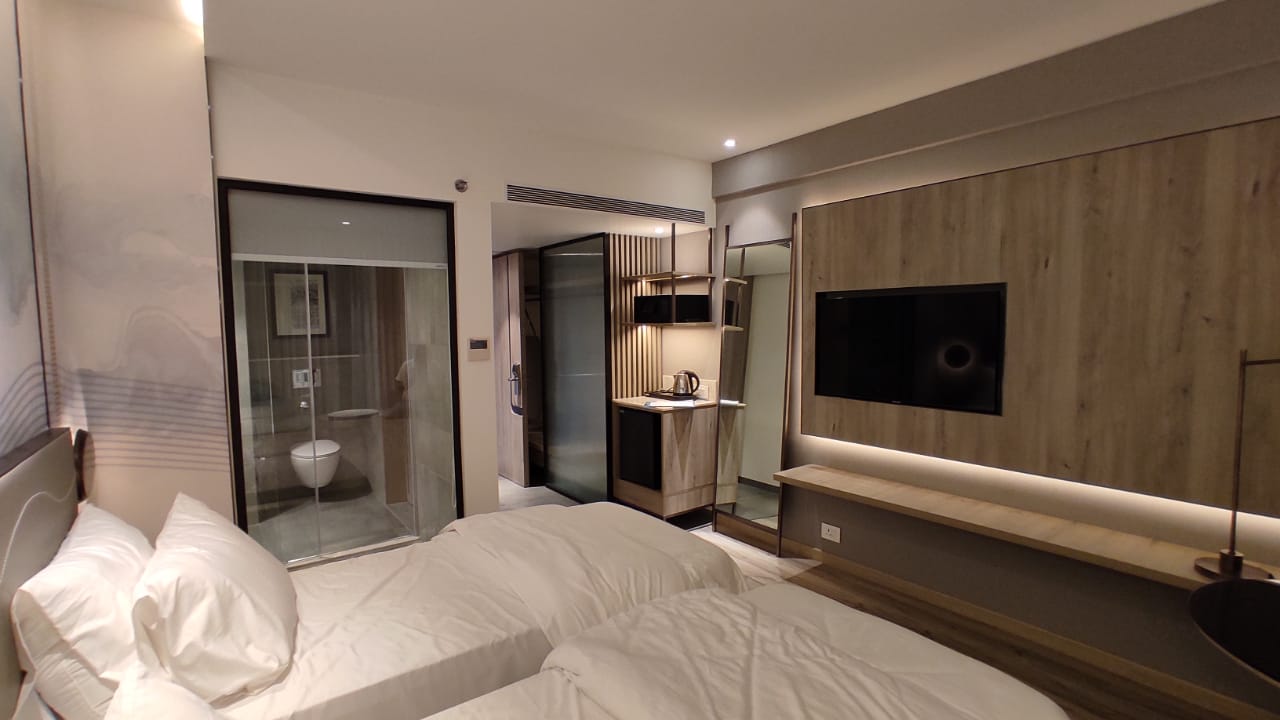
Modular Furniture vs Traditional Furniture: Cost Comparison for Commercial Projects
Jun 11, 2026
Modular Furniture vs Traditional Furniture: Cost Comparison for Commercial Projects
Jun 11, 2026
Lower Delays. Better Quality. Greater Long-Term Value.
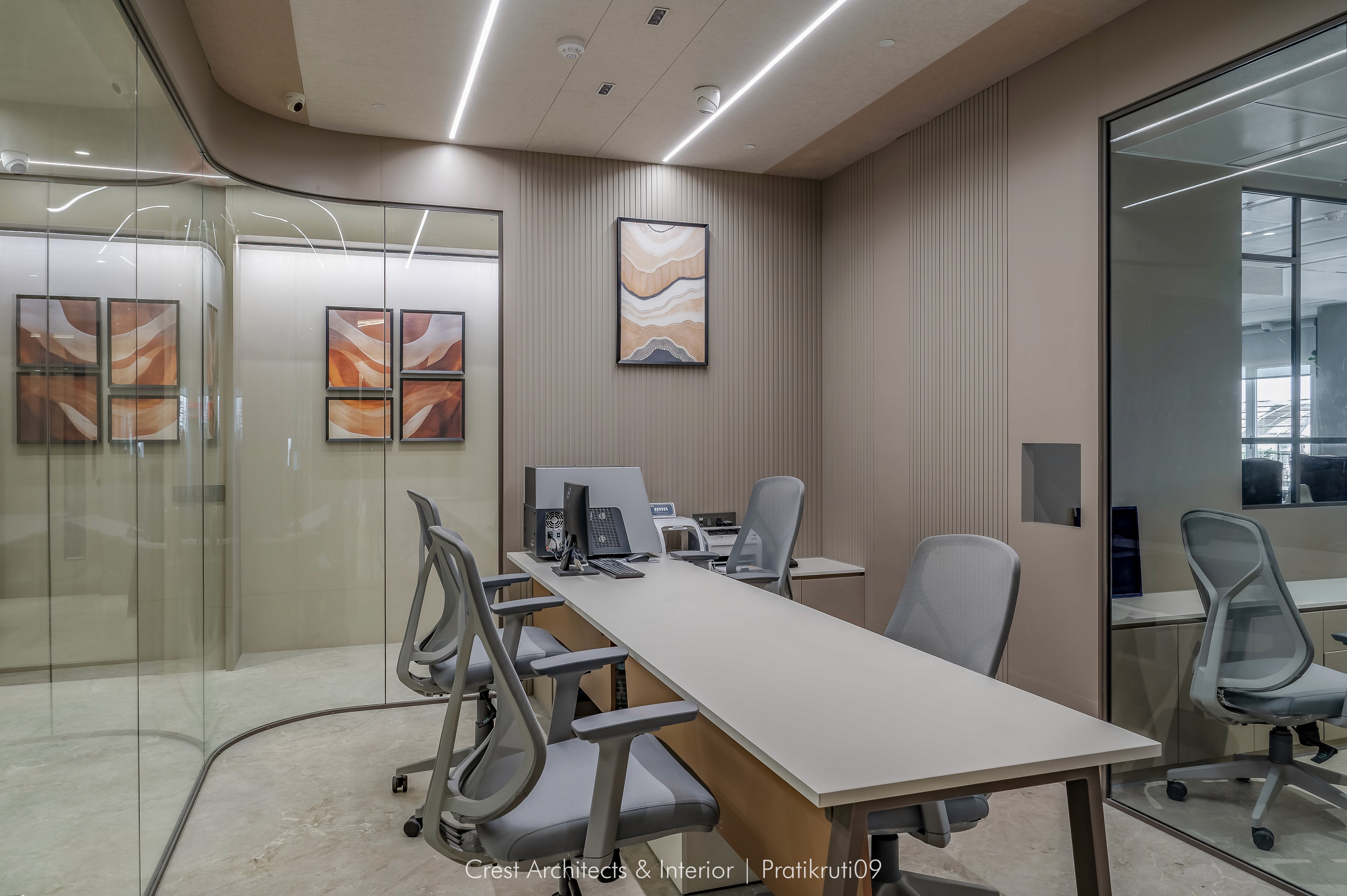
Top Benefits of Modular Furniture in Modern Offices
Jun 11, 2026
Top Benefits of Modular Furniture in Modern Offices
Jun 11, 2026
Flexible Workspaces. Better Productivity. Smarter Investment.
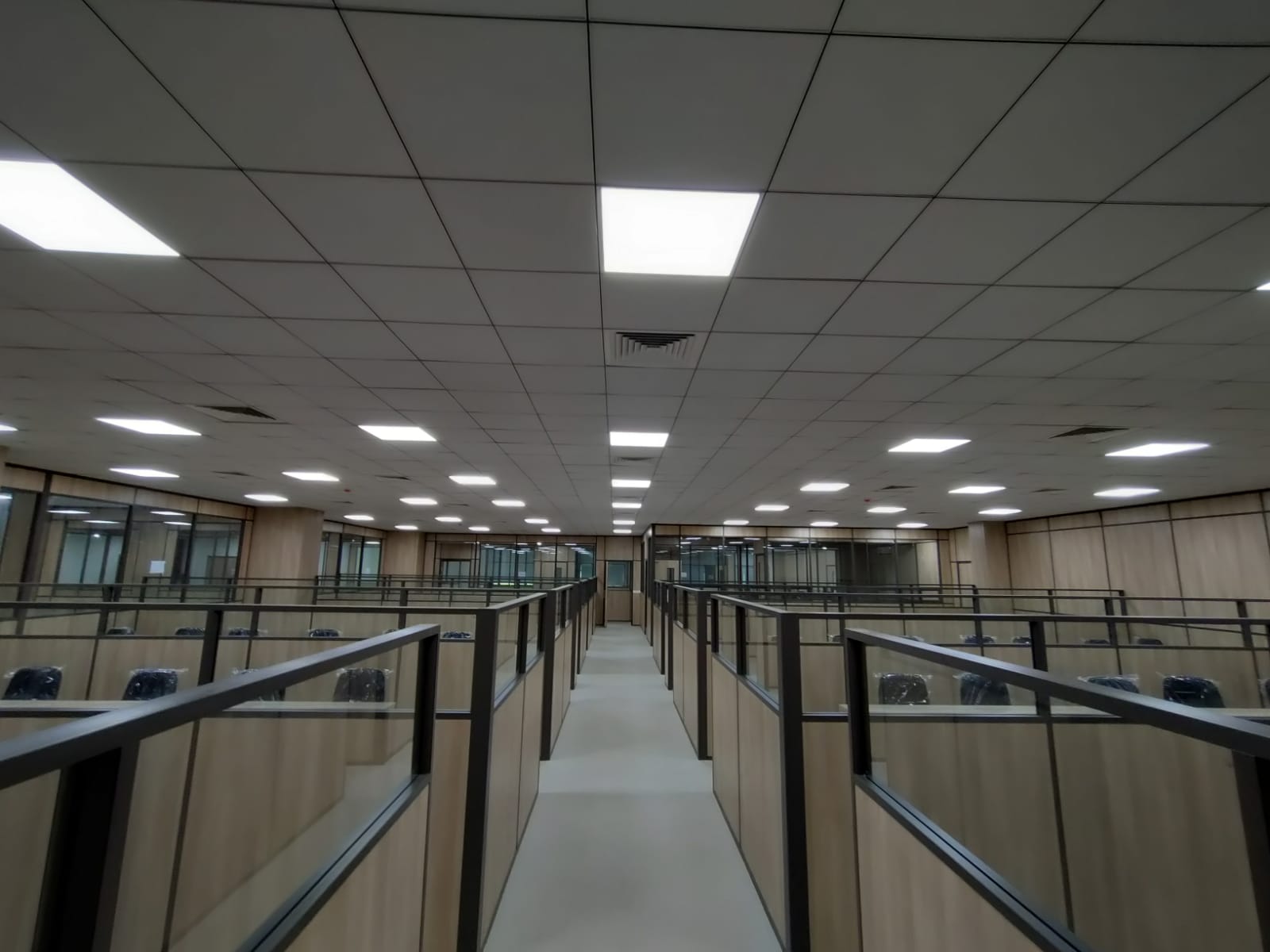
What is Modular Furniture? Complete Guide for Offices, Hotels & Commercial Projects
May 5, 2026
What is Modular Furniture? Complete Guide for Offices, Hotels & Commercial Projects
May 5, 2026
Smart. Scalable. Efficient. The Future of Commercial Interiors Starts with Modular Furniture.

Like Our Work?
Let’s Build Together
Like Our Work?
Let’s Build Together