Blogs
Commercial Furniture Maintenance and Refurbishment Guide
Commercial Furniture Maintenance and Refurbishment Guide
Simple practices that protect finishes, improve safety, and extend the working life of modular furniture.

Maintenance Protects More Than Appearance
Commercial furniture is used intensively every day. Desks carry equipment, drawers are opened repeatedly, hotel casegoods face constant turnover, and institutional furniture must withstand heavy public use. A planned maintenance programme protects appearance, but it also supports safety, function, and long term value.
Modular furniture makes maintenance easier when components are accessible and replaceable. Instead of waiting for several small problems to become a major refurbishment, facility teams can inspect and address individual parts on a regular schedule.
Follow the correct cleaning method
Use cleaning products that are suitable for the specific laminate, veneer, metal, glass, fabric, or solid surface. Excess moisture and abrasive chemicals can damage edges, finishes, and adhesives. Cleaning teams should receive a simple material care guide during project handover.
Inspect hardware and connections
Loose hinges, drawer channels, handles, levellers, connectors, and table fittings should be tightened or replaced promptly. Check high use areas more frequently, especially meeting rooms, reception spaces, cafeterias, and shared storage. Early action can prevent damage to surrounding panels.
Manage cable systems safely
Cable trays and power modules often become overloaded as users add equipment. Remove abandoned cables, check that access covers close correctly, and keep wires away from moving chair parts. Any electrical work should be handled by qualified personnel and coordinated with the furniture system.
Replace damaged components selectively
A scratched worktop, worn fabric panel, or failed drawer runner does not always justify replacing the full unit. Standard modular parts can often be changed while the main structure remains in service. Keep finish codes, drawings, and supplier details available so replacements match the installed furniture.
Use refurbishment during layout changes
An office move is a useful time to clean components, repair edges, replace worn hardware, and reorganise storage. Existing workstations may be reconfigured into new clusters if the module sizes are compatible. This can reduce both project cost and material waste.
Maintain an asset and spare parts record
Track furniture by product type, location, installation date, finish, and condition. A small stock of frequently used hardware can shorten repair time. For large facilities, periodic condition surveys help forecast refurbishment budgets before failures affect daily operations.
Well maintained commercial furniture can serve an organisation for many years. Regular care, timely repairs, and modular replacement strategies preserve the original investment while keeping workplaces safe, functional, and presentable.
Maintenance Protects More Than Appearance
Commercial furniture is used intensively every day. Desks carry equipment, drawers are opened repeatedly, hotel casegoods face constant turnover, and institutional furniture must withstand heavy public use. A planned maintenance programme protects appearance, but it also supports safety, function, and long term value.
Modular furniture makes maintenance easier when components are accessible and replaceable. Instead of waiting for several small problems to become a major refurbishment, facility teams can inspect and address individual parts on a regular schedule.
Follow the correct cleaning method
Use cleaning products that are suitable for the specific laminate, veneer, metal, glass, fabric, or solid surface. Excess moisture and abrasive chemicals can damage edges, finishes, and adhesives. Cleaning teams should receive a simple material care guide during project handover.
Inspect hardware and connections
Loose hinges, drawer channels, handles, levellers, connectors, and table fittings should be tightened or replaced promptly. Check high use areas more frequently, especially meeting rooms, reception spaces, cafeterias, and shared storage. Early action can prevent damage to surrounding panels.
Manage cable systems safely
Cable trays and power modules often become overloaded as users add equipment. Remove abandoned cables, check that access covers close correctly, and keep wires away from moving chair parts. Any electrical work should be handled by qualified personnel and coordinated with the furniture system.
Replace damaged components selectively
A scratched worktop, worn fabric panel, or failed drawer runner does not always justify replacing the full unit. Standard modular parts can often be changed while the main structure remains in service. Keep finish codes, drawings, and supplier details available so replacements match the installed furniture.
Use refurbishment during layout changes
An office move is a useful time to clean components, repair edges, replace worn hardware, and reorganise storage. Existing workstations may be reconfigured into new clusters if the module sizes are compatible. This can reduce both project cost and material waste.
Maintain an asset and spare parts record
Track furniture by product type, location, installation date, finish, and condition. A small stock of frequently used hardware can shorten repair time. For large facilities, periodic condition surveys help forecast refurbishment budgets before failures affect daily operations.
Well maintained commercial furniture can serve an organisation for many years. Regular care, timely repairs, and modular replacement strategies preserve the original investment while keeping workplaces safe, functional, and presentable.
Maintenance Protects More Than Appearance
Commercial furniture is used intensively every day. Desks carry equipment, drawers are opened repeatedly, hotel casegoods face constant turnover, and institutional furniture must withstand heavy public use. A planned maintenance programme protects appearance, but it also supports safety, function, and long term value.
Modular furniture makes maintenance easier when components are accessible and replaceable. Instead of waiting for several small problems to become a major refurbishment, facility teams can inspect and address individual parts on a regular schedule.
Follow the correct cleaning method
Use cleaning products that are suitable for the specific laminate, veneer, metal, glass, fabric, or solid surface. Excess moisture and abrasive chemicals can damage edges, finishes, and adhesives. Cleaning teams should receive a simple material care guide during project handover.
Inspect hardware and connections
Loose hinges, drawer channels, handles, levellers, connectors, and table fittings should be tightened or replaced promptly. Check high use areas more frequently, especially meeting rooms, reception spaces, cafeterias, and shared storage. Early action can prevent damage to surrounding panels.
Manage cable systems safely
Cable trays and power modules often become overloaded as users add equipment. Remove abandoned cables, check that access covers close correctly, and keep wires away from moving chair parts. Any electrical work should be handled by qualified personnel and coordinated with the furniture system.
Replace damaged components selectively
A scratched worktop, worn fabric panel, or failed drawer runner does not always justify replacing the full unit. Standard modular parts can often be changed while the main structure remains in service. Keep finish codes, drawings, and supplier details available so replacements match the installed furniture.
Use refurbishment during layout changes
An office move is a useful time to clean components, repair edges, replace worn hardware, and reorganise storage. Existing workstations may be reconfigured into new clusters if the module sizes are compatible. This can reduce both project cost and material waste.
Maintain an asset and spare parts record
Track furniture by product type, location, installation date, finish, and condition. A small stock of frequently used hardware can shorten repair time. For large facilities, periodic condition surveys help forecast refurbishment budgets before failures affect daily operations.
Well maintained commercial furniture can serve an organisation for many years. Regular care, timely repairs, and modular replacement strategies preserve the original investment while keeping workplaces safe, functional, and presentable.
Read More
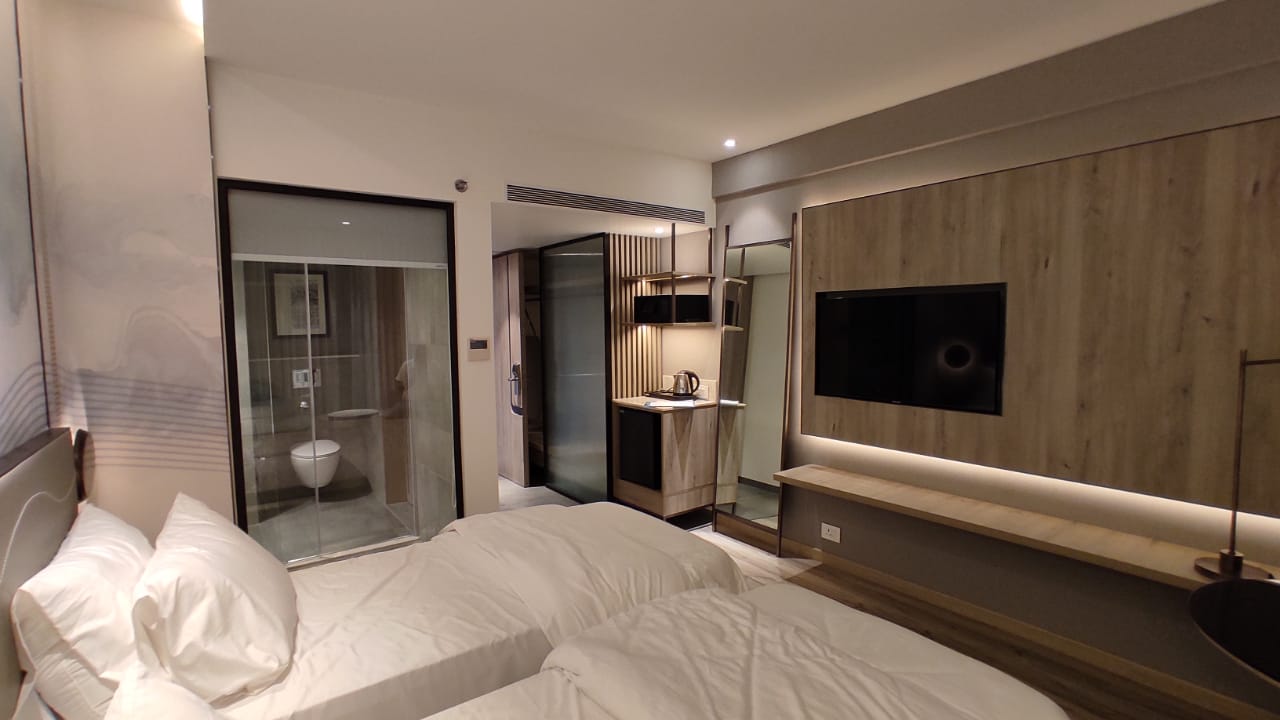
Modular Furniture vs Traditional Furniture: Cost Comparison for Commercial Projects
Jun 11, 2026
Modular Furniture vs Traditional Furniture: Cost Comparison for Commercial Projects
Jun 11, 2026
Lower Delays. Better Quality. Greater Long-Term Value.
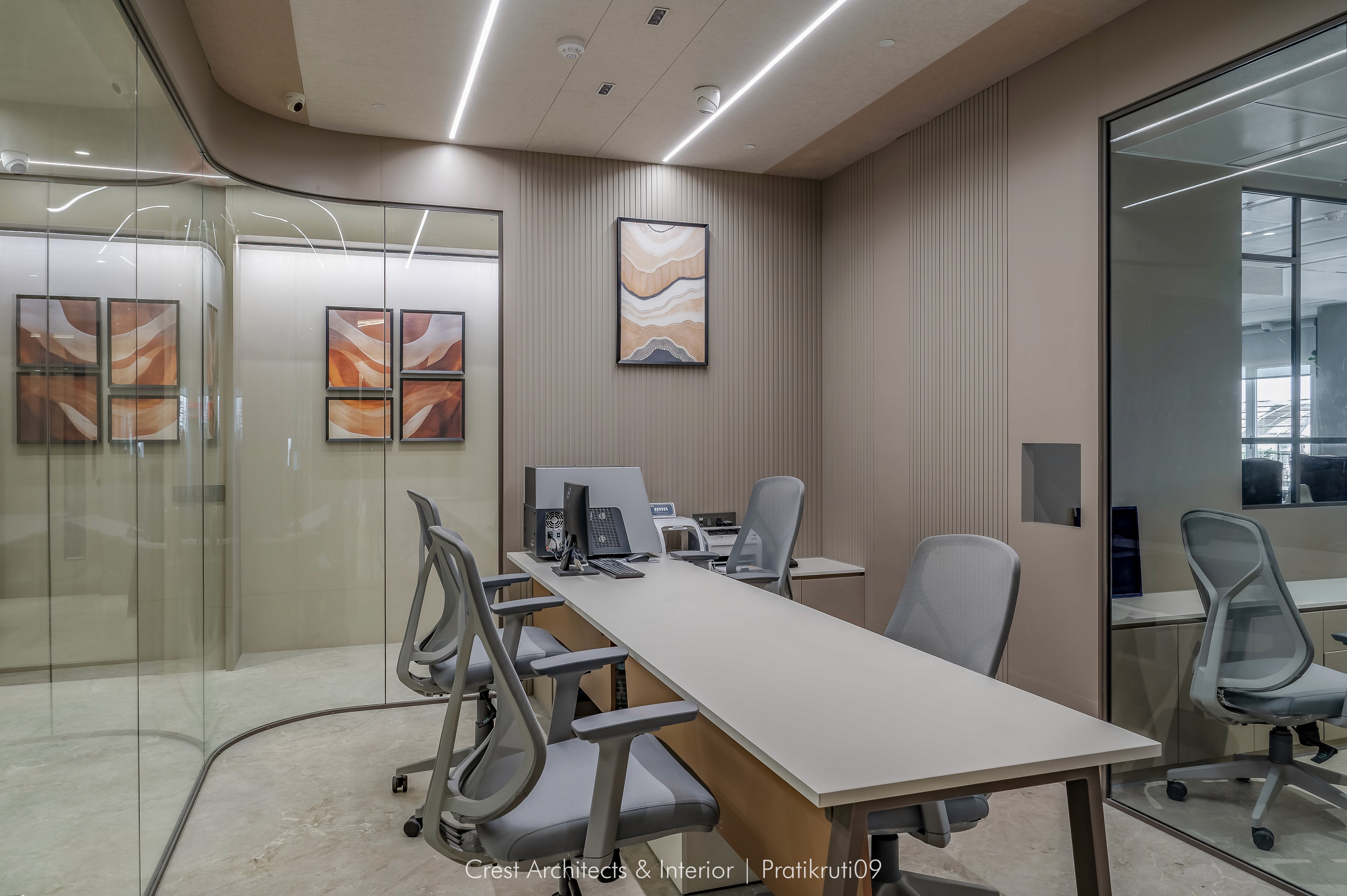
Top Benefits of Modular Furniture in Modern Offices
Jun 11, 2026
Top Benefits of Modular Furniture in Modern Offices
Jun 11, 2026
Flexible Workspaces. Better Productivity. Smarter Investment.
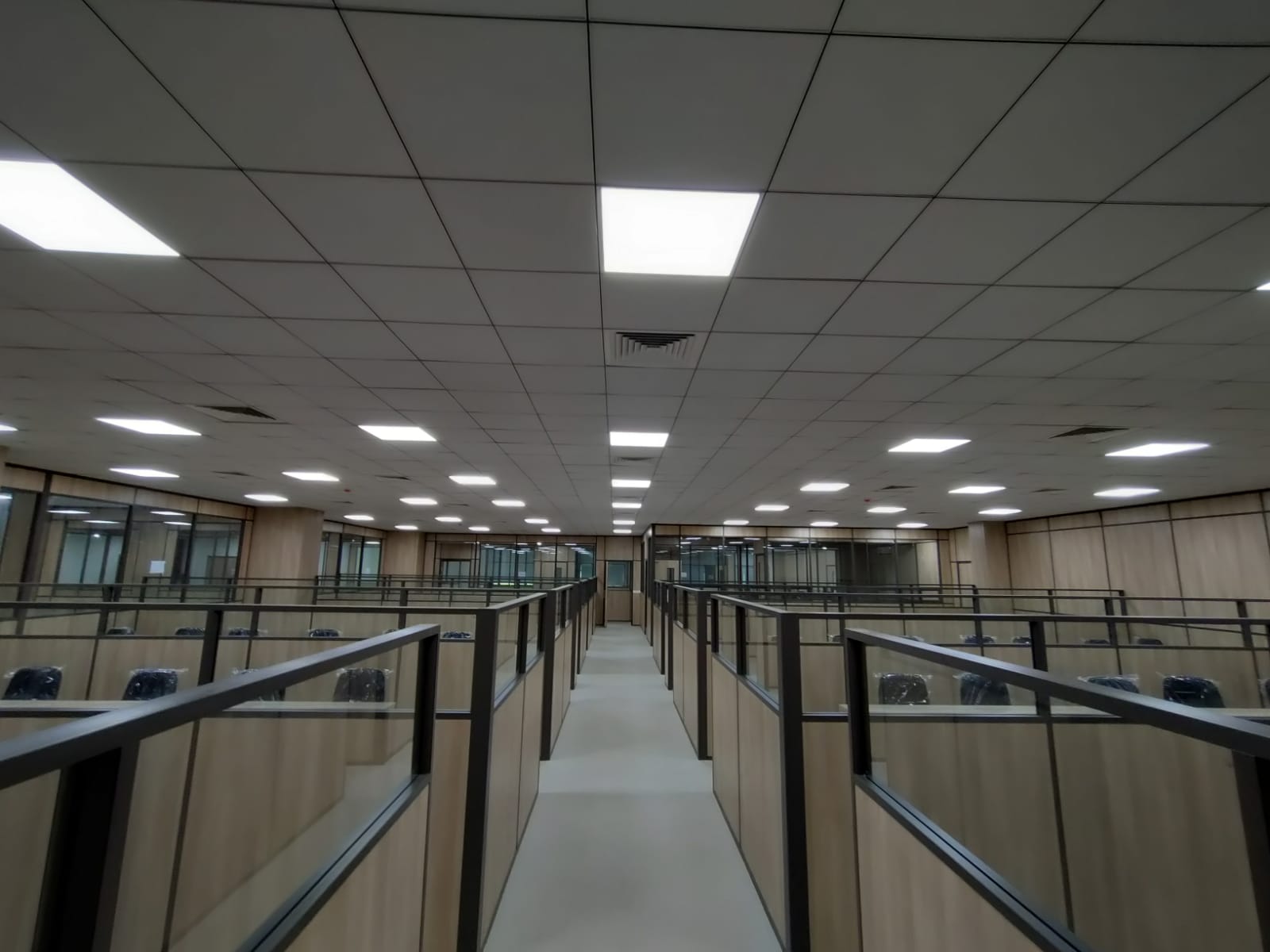
What is Modular Furniture? Complete Guide for Offices, Hotels & Commercial Projects
May 5, 2026
What is Modular Furniture? Complete Guide for Offices, Hotels & Commercial Projects
May 5, 2026
Smart. Scalable. Efficient. The Future of Commercial Interiors Starts with Modular Furniture.

Like Our Work?
Let’s Build Together
Like Our Work?
Let’s Build Together