Blogs
Designing Institutional Spaces with Modular Furniture Solutions
Designing Institutional Spaces with Modular Furniture Solutions
Institutional environments demand furniture that is durable, scalable, and built for long term performance.
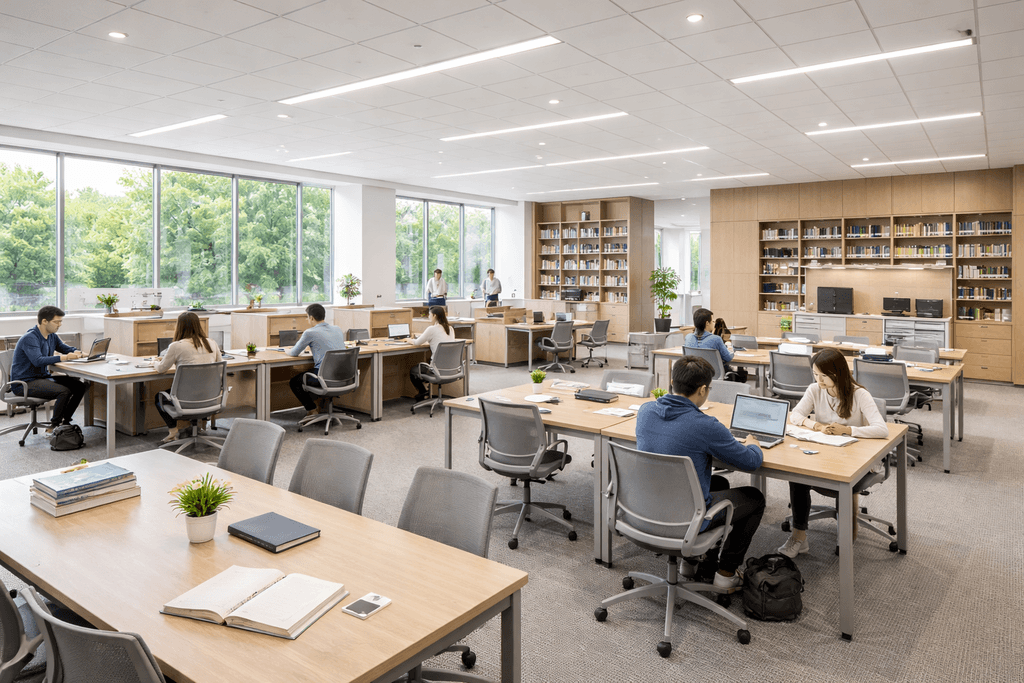
Institutional spaces such as universities, schools, training centers, government buildings, and public facilities operate on a completely different scale compared to residential or boutique projects. These environments require furniture that can withstand heavy usage, frequent movement, and long operational hours while remaining cost effective and easy to maintain.
Modular furniture addresses these challenges through standardized design, factory manufacturing, and system based construction. Instead of relying on site fabricated furniture that varies in quality, institutional projects benefit from repeatable, tested, and proven furniture systems.
One of the biggest advantages of modular furniture in institutional settings is durability at scale. Materials are selected based on performance, not appearance alone. Panels, hardware, and finishes are tested to withstand continuous use over years.
Key benefits of modular furniture for institutional projects include:
• High resistance to wear and tear
• Uniform quality across large campuses
• Faster installation across multiple blocks
• Easy replacement of damaged components
• Long lifecycle with lower maintenance costs
Institutions often work with fixed budgets and strict timelines. Modular furniture helps achieve cost control by standardizing specifications and minimizing site level uncertainties. Factory production ensures accurate costing and reduces unexpected overruns.
Another critical requirement is scalability. Educational institutions and public facilities expand over time. New classrooms, laboratories, libraries, or hostels are added in phases. Modular furniture allows these expansions to maintain the same design language and functional standards as existing spaces.
From a planning perspective, modular furniture simplifies coordination. Layouts are predefined, dimensions are precise, and installation processes are predictable. This reduces coordination issues between civil, electrical, and interior teams.
Maintenance is a major concern in institutional buildings. Modular systems allow individual parts to be repaired or replaced without dismantling complete units. This reduces disruption to daily operations and extends the overall lifespan of the furniture.
In learning environments, furniture also plays a role in functionality and comfort. Modular desks, storage units, and seating systems can be designed to support modern teaching methods, collaborative learning, and technology integration.
Institutional furniture is not about visual extravagance. It is about reliability, longevity, and efficient use of resources. Modular furniture delivers these outcomes consistently, making it the preferred solution for large scale institutional projects.
Institutional spaces such as universities, schools, training centers, government buildings, and public facilities operate on a completely different scale compared to residential or boutique projects. These environments require furniture that can withstand heavy usage, frequent movement, and long operational hours while remaining cost effective and easy to maintain.
Modular furniture addresses these challenges through standardized design, factory manufacturing, and system based construction. Instead of relying on site fabricated furniture that varies in quality, institutional projects benefit from repeatable, tested, and proven furniture systems.
One of the biggest advantages of modular furniture in institutional settings is durability at scale. Materials are selected based on performance, not appearance alone. Panels, hardware, and finishes are tested to withstand continuous use over years.
Key benefits of modular furniture for institutional projects include:
• High resistance to wear and tear
• Uniform quality across large campuses
• Faster installation across multiple blocks
• Easy replacement of damaged components
• Long lifecycle with lower maintenance costs
Institutions often work with fixed budgets and strict timelines. Modular furniture helps achieve cost control by standardizing specifications and minimizing site level uncertainties. Factory production ensures accurate costing and reduces unexpected overruns.
Another critical requirement is scalability. Educational institutions and public facilities expand over time. New classrooms, laboratories, libraries, or hostels are added in phases. Modular furniture allows these expansions to maintain the same design language and functional standards as existing spaces.
From a planning perspective, modular furniture simplifies coordination. Layouts are predefined, dimensions are precise, and installation processes are predictable. This reduces coordination issues between civil, electrical, and interior teams.
Maintenance is a major concern in institutional buildings. Modular systems allow individual parts to be repaired or replaced without dismantling complete units. This reduces disruption to daily operations and extends the overall lifespan of the furniture.
In learning environments, furniture also plays a role in functionality and comfort. Modular desks, storage units, and seating systems can be designed to support modern teaching methods, collaborative learning, and technology integration.
Institutional furniture is not about visual extravagance. It is about reliability, longevity, and efficient use of resources. Modular furniture delivers these outcomes consistently, making it the preferred solution for large scale institutional projects.
Institutional spaces such as universities, schools, training centers, government buildings, and public facilities operate on a completely different scale compared to residential or boutique projects. These environments require furniture that can withstand heavy usage, frequent movement, and long operational hours while remaining cost effective and easy to maintain.
Modular furniture addresses these challenges through standardized design, factory manufacturing, and system based construction. Instead of relying on site fabricated furniture that varies in quality, institutional projects benefit from repeatable, tested, and proven furniture systems.
One of the biggest advantages of modular furniture in institutional settings is durability at scale. Materials are selected based on performance, not appearance alone. Panels, hardware, and finishes are tested to withstand continuous use over years.
Key benefits of modular furniture for institutional projects include:
• High resistance to wear and tear
• Uniform quality across large campuses
• Faster installation across multiple blocks
• Easy replacement of damaged components
• Long lifecycle with lower maintenance costs
Institutions often work with fixed budgets and strict timelines. Modular furniture helps achieve cost control by standardizing specifications and minimizing site level uncertainties. Factory production ensures accurate costing and reduces unexpected overruns.
Another critical requirement is scalability. Educational institutions and public facilities expand over time. New classrooms, laboratories, libraries, or hostels are added in phases. Modular furniture allows these expansions to maintain the same design language and functional standards as existing spaces.
From a planning perspective, modular furniture simplifies coordination. Layouts are predefined, dimensions are precise, and installation processes are predictable. This reduces coordination issues between civil, electrical, and interior teams.
Maintenance is a major concern in institutional buildings. Modular systems allow individual parts to be repaired or replaced without dismantling complete units. This reduces disruption to daily operations and extends the overall lifespan of the furniture.
In learning environments, furniture also plays a role in functionality and comfort. Modular desks, storage units, and seating systems can be designed to support modern teaching methods, collaborative learning, and technology integration.
Institutional furniture is not about visual extravagance. It is about reliability, longevity, and efficient use of resources. Modular furniture delivers these outcomes consistently, making it the preferred solution for large scale institutional projects.
Read More
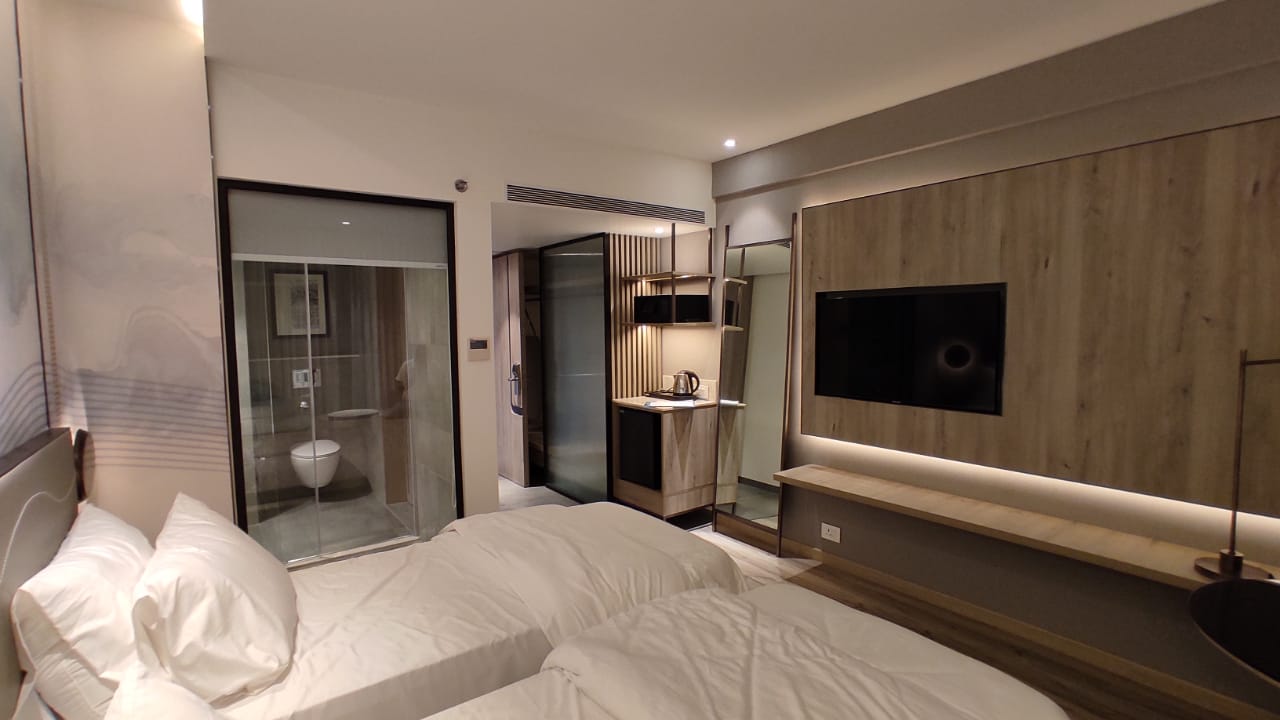
Modular Furniture vs Traditional Furniture: Cost Comparison for Commercial Projects
Jun 11, 2026
Modular Furniture vs Traditional Furniture: Cost Comparison for Commercial Projects
Jun 11, 2026
Lower Delays. Better Quality. Greater Long-Term Value.
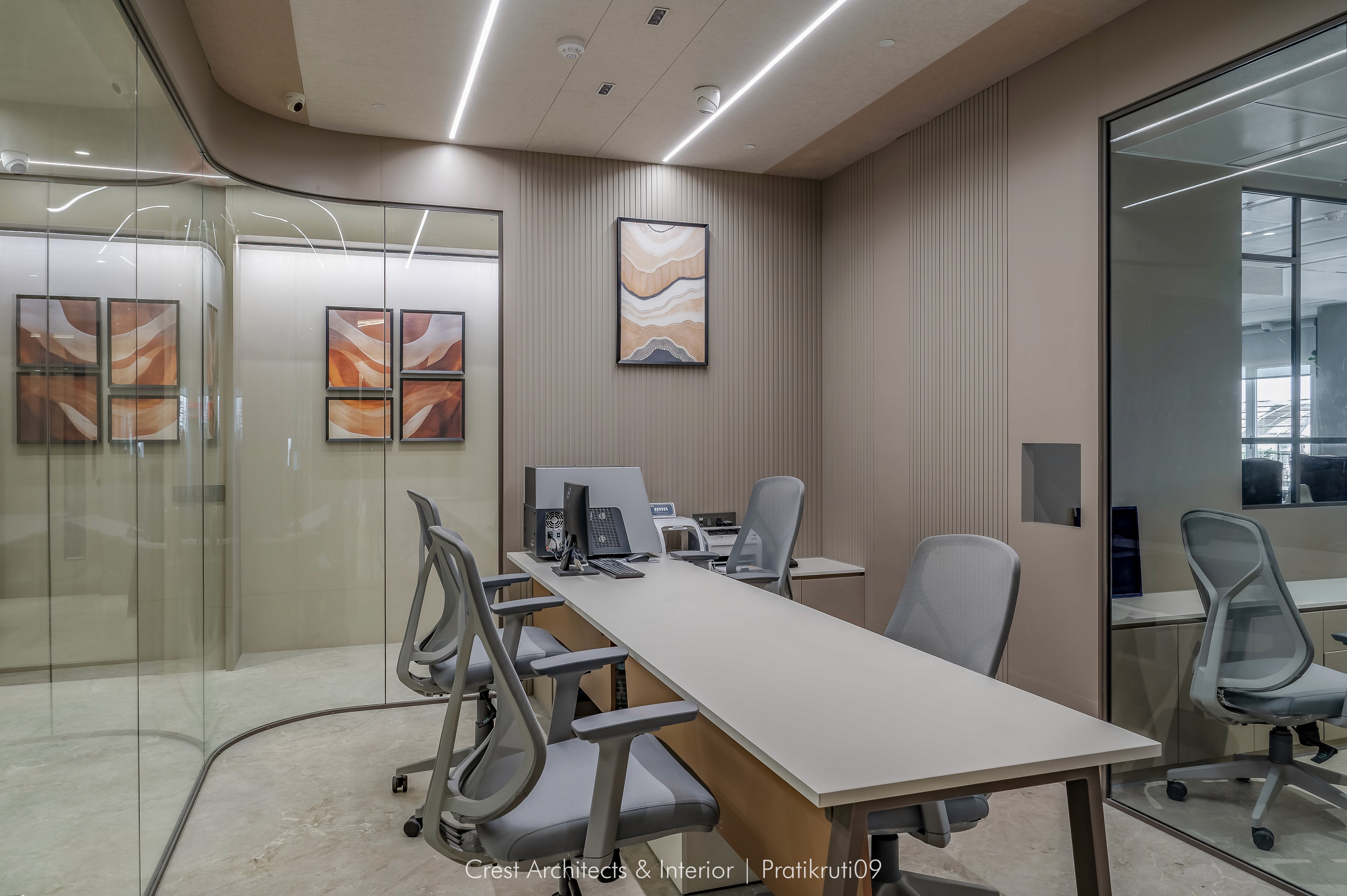
Top Benefits of Modular Furniture in Modern Offices
Jun 11, 2026
Top Benefits of Modular Furniture in Modern Offices
Jun 11, 2026
Flexible Workspaces. Better Productivity. Smarter Investment.
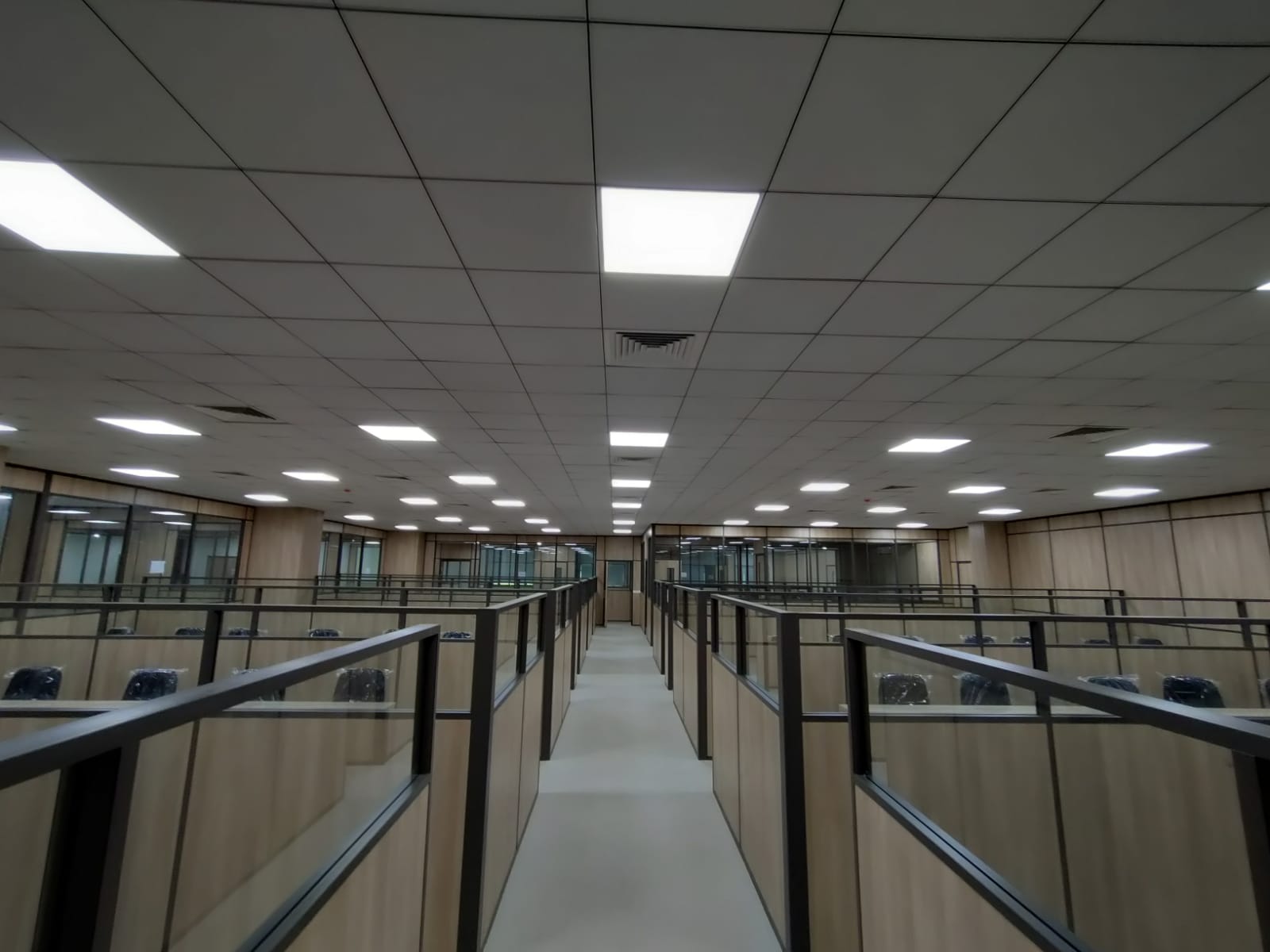
What is Modular Furniture? Complete Guide for Offices, Hotels & Commercial Projects
May 5, 2026
What is Modular Furniture? Complete Guide for Offices, Hotels & Commercial Projects
May 5, 2026
Smart. Scalable. Efficient. The Future of Commercial Interiors Starts with Modular Furniture.

Like Our Work?
Let’s Build Together
Like Our Work?
Let’s Build Together